 Image 1 of 11
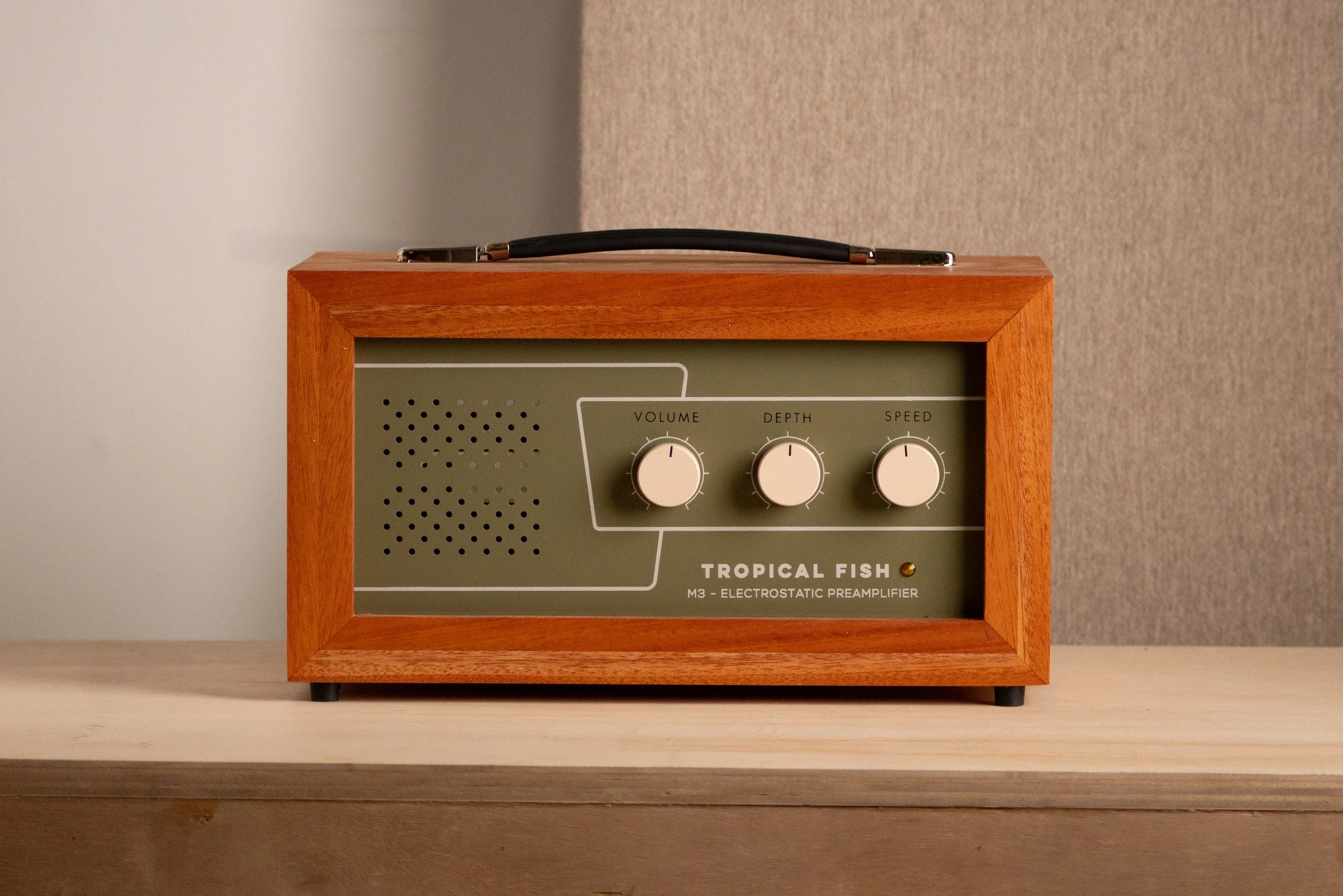 Image 2 of 11
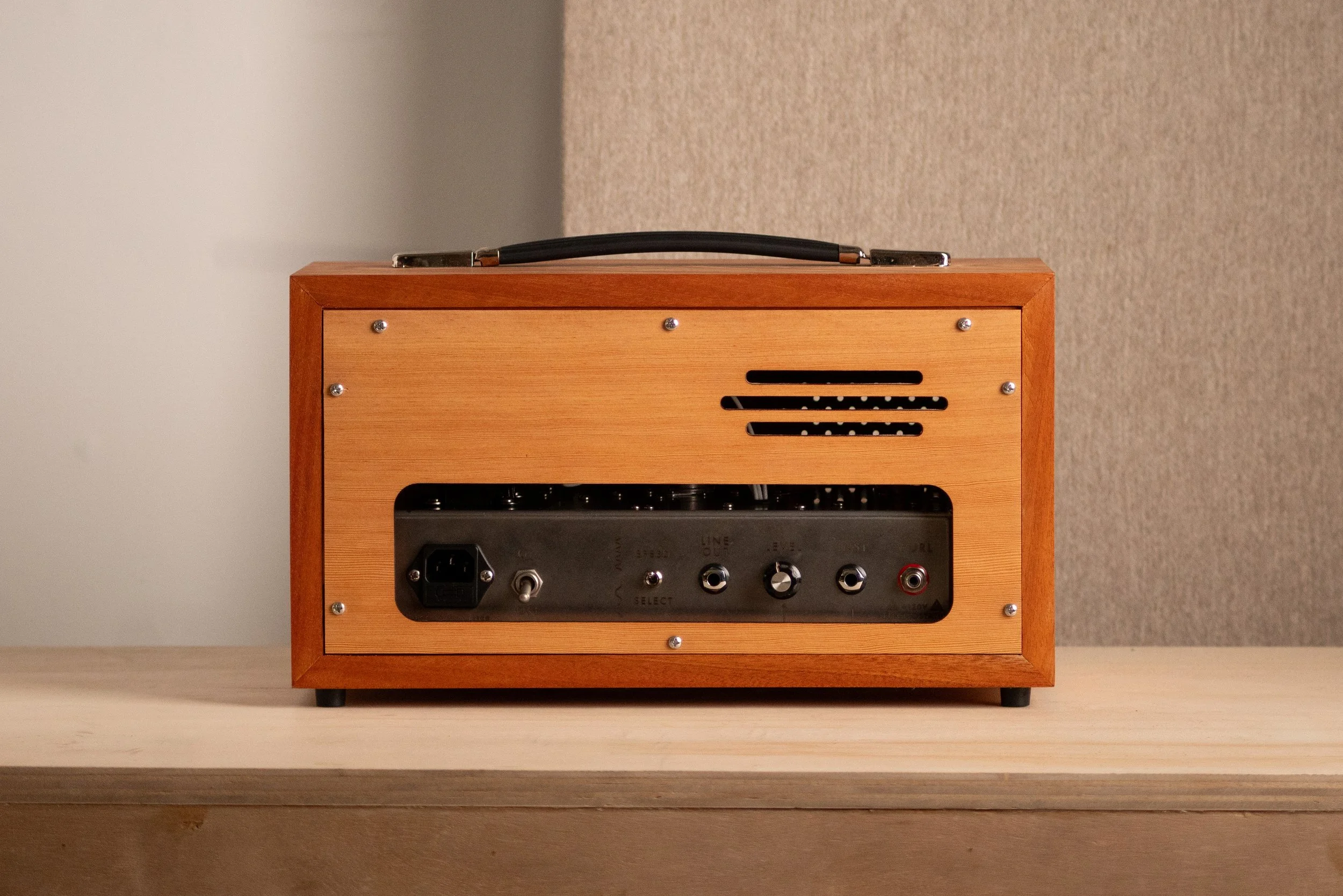 Image 3 of 11
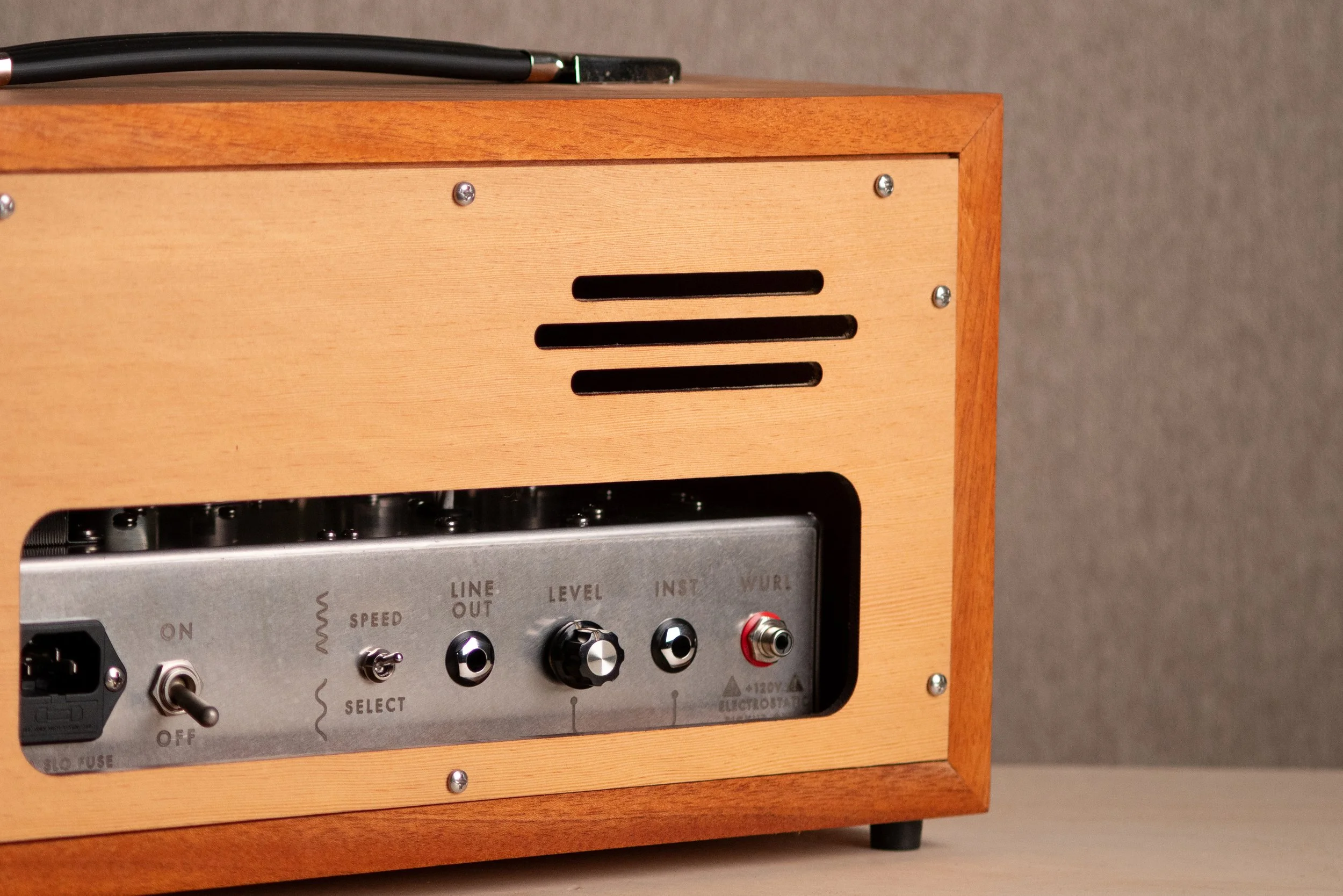 Image 4 of 11
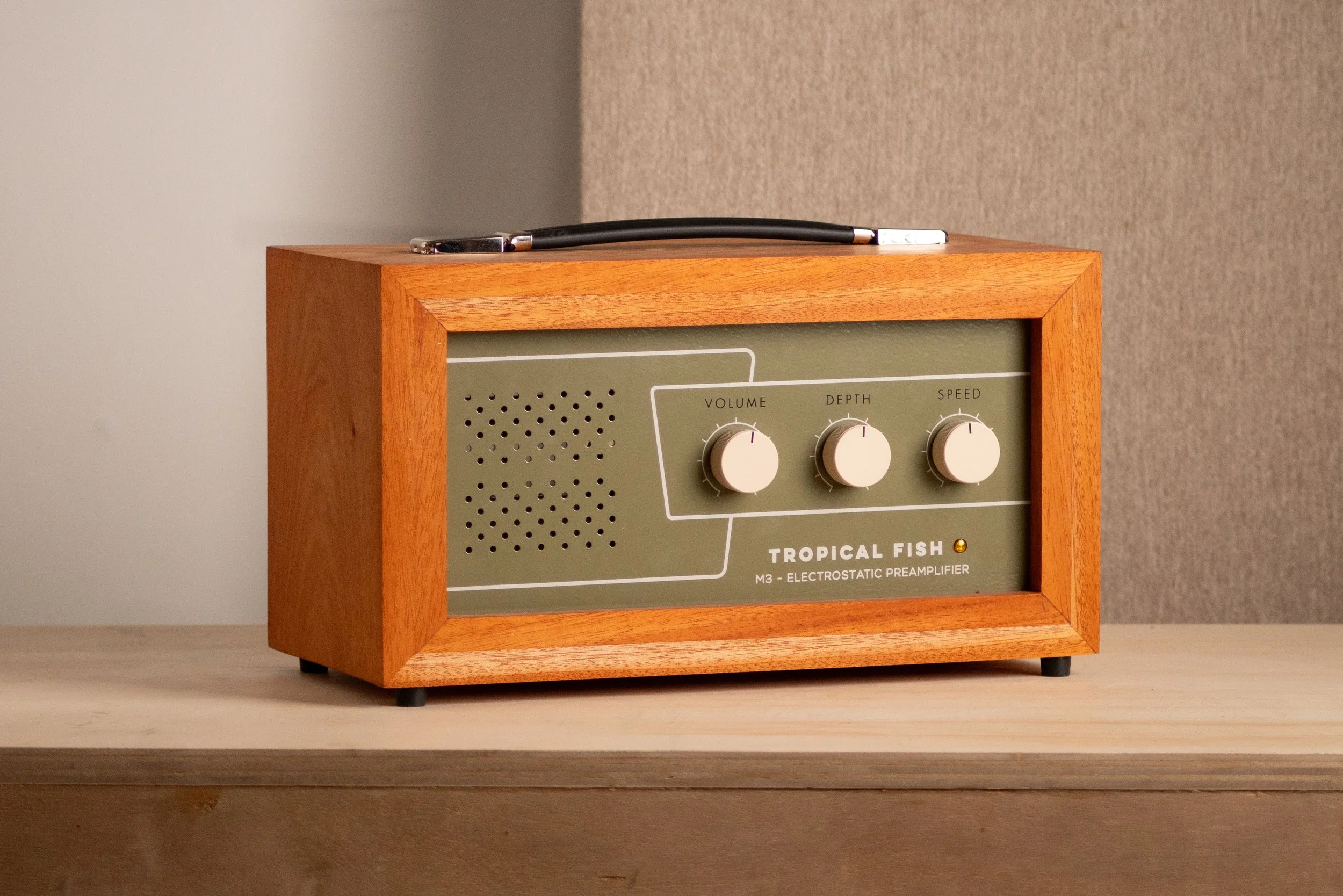 Image 5 of 11
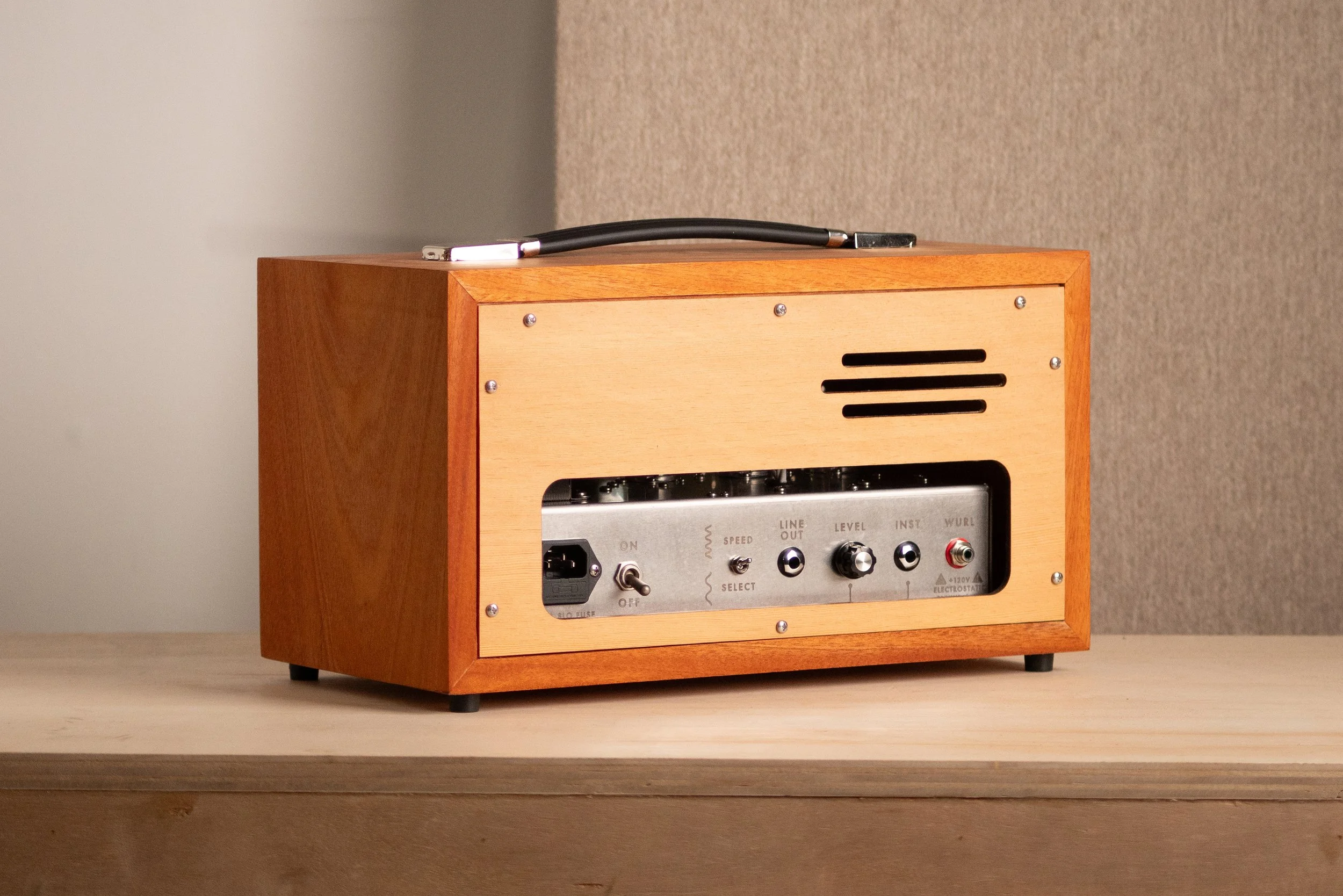 Image 6 of 11
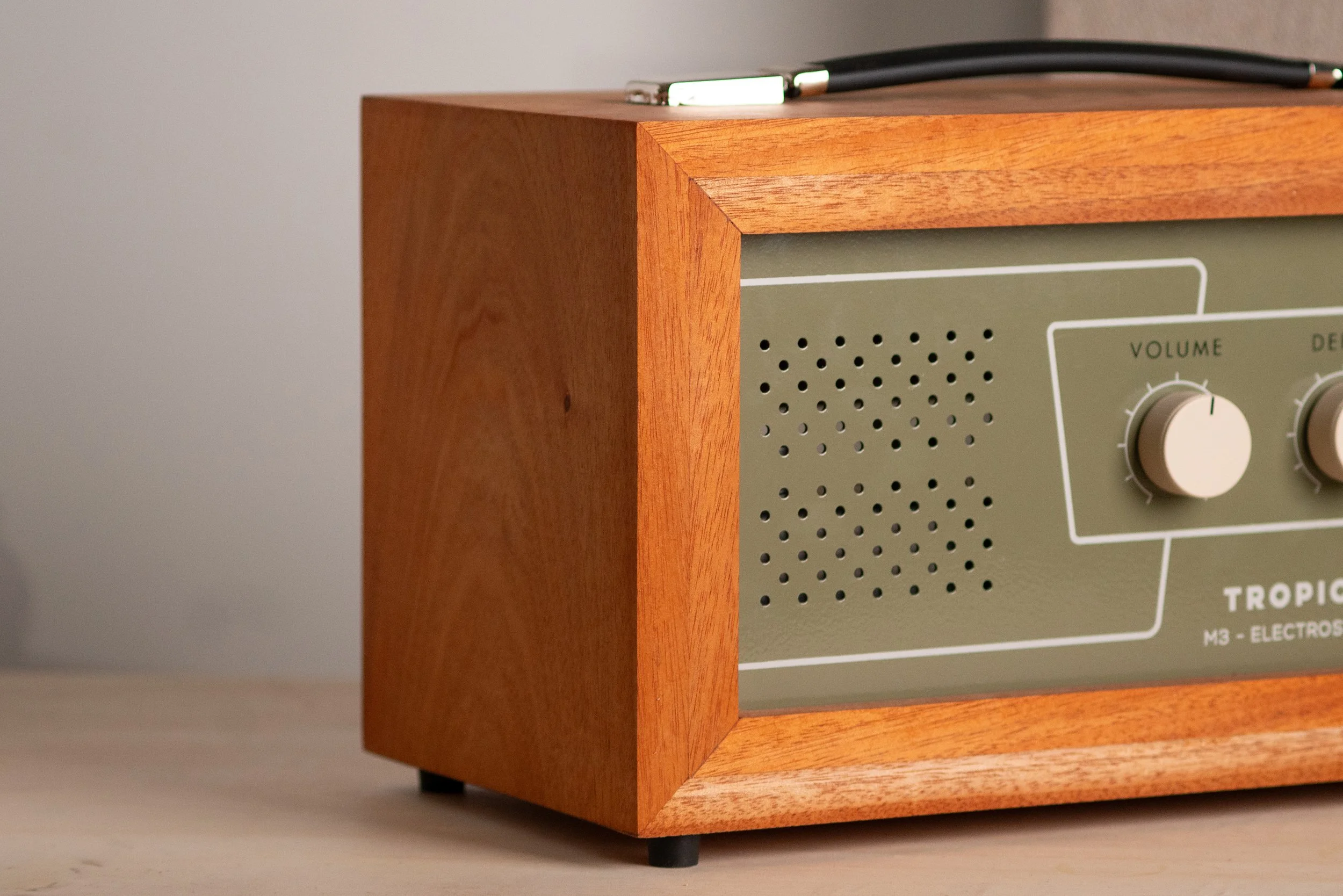 Image 7 of 11
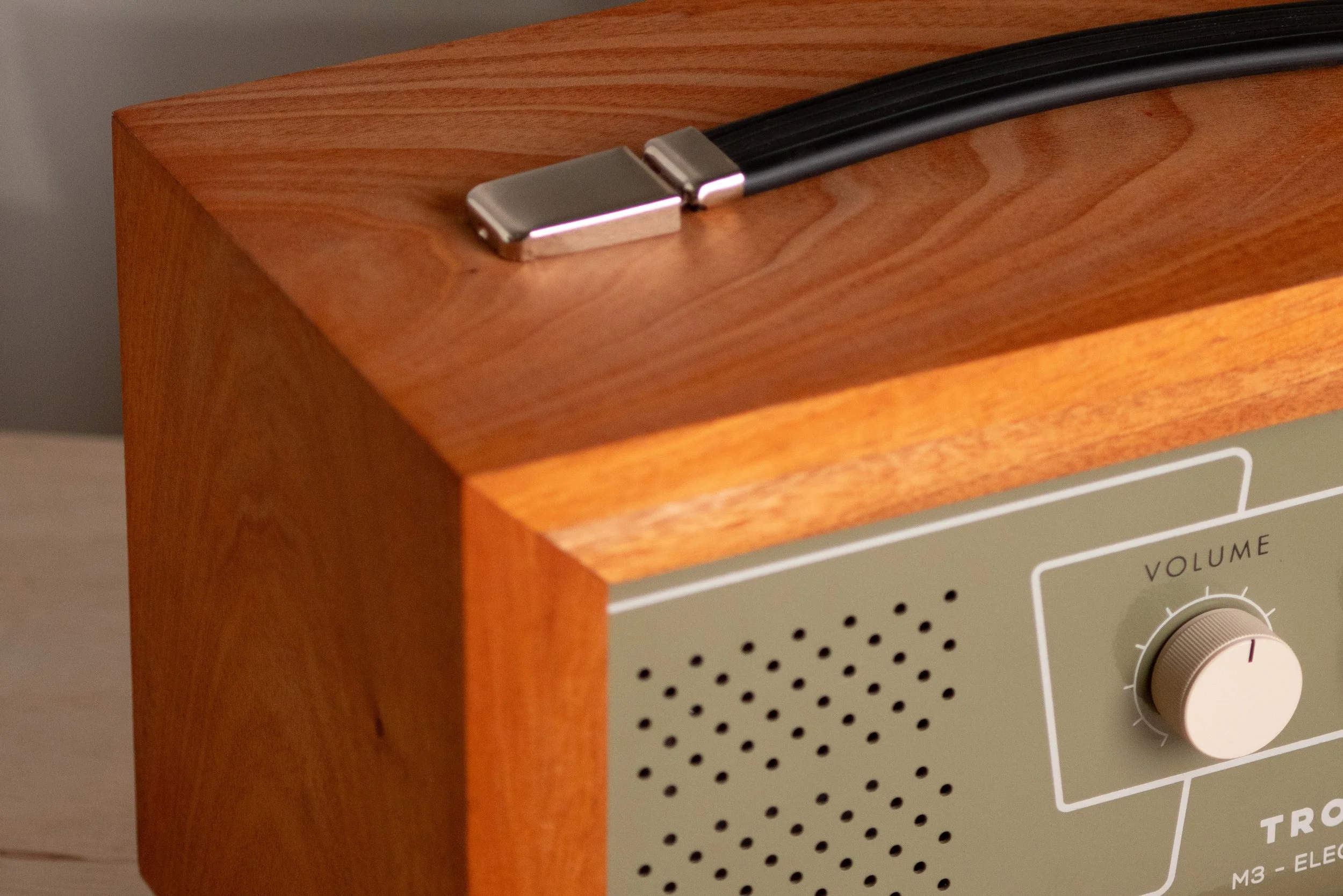 Image 8 of 11
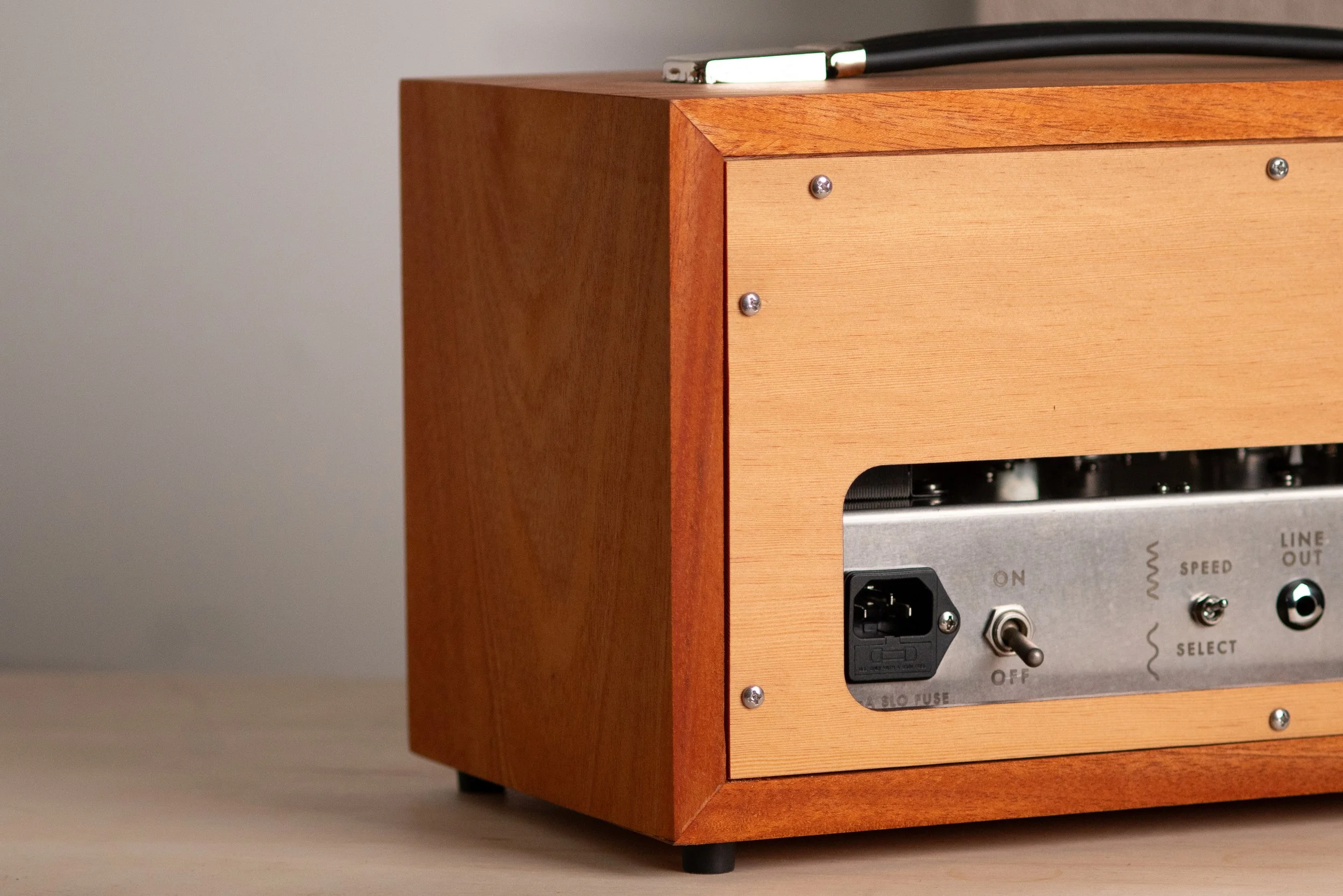 Image 9 of 11
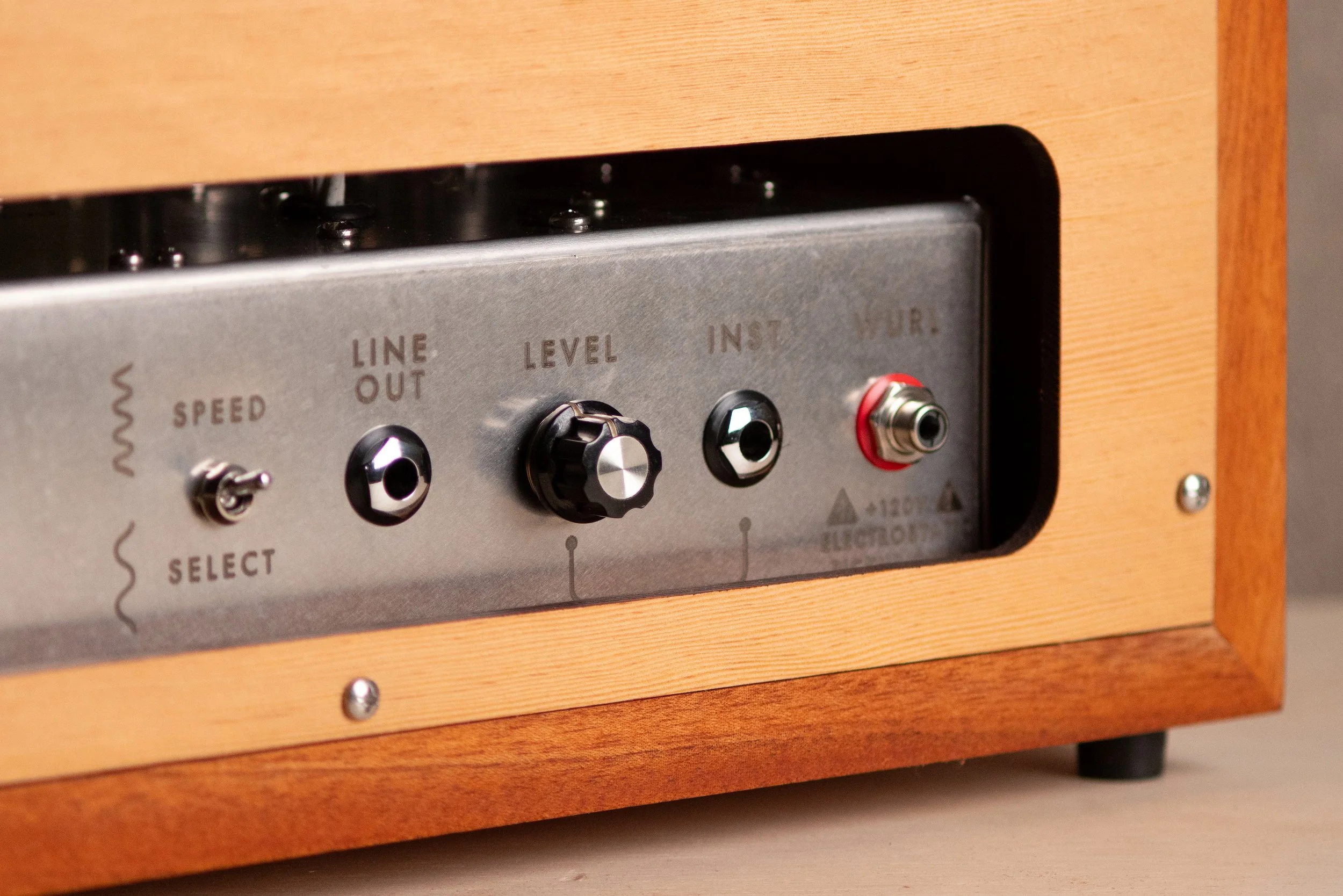 Image 10 of 11
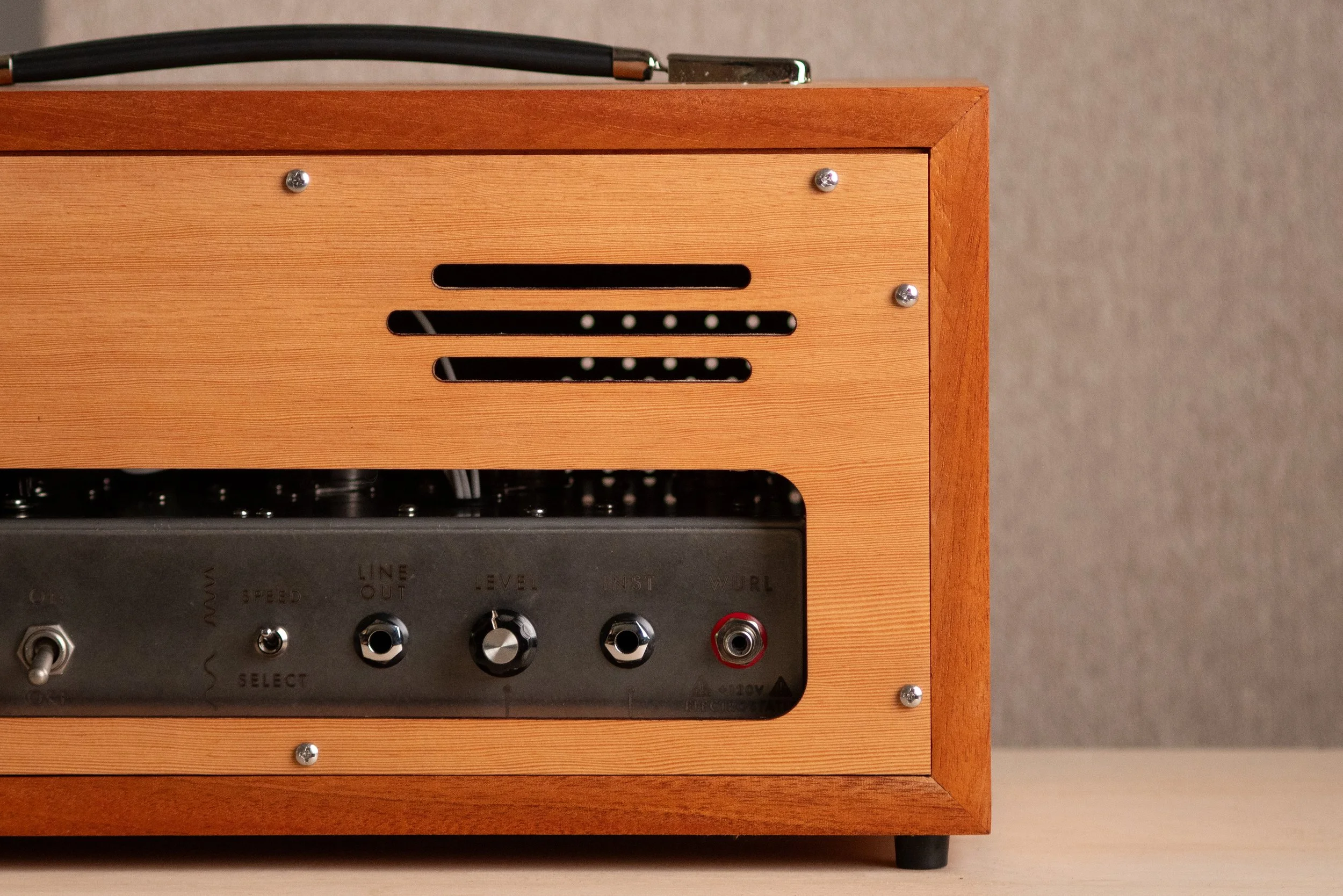 Image 11 of 11
ALL-TUBE TREMOLO BOOST FOR WURLY, GUITAR & MORE
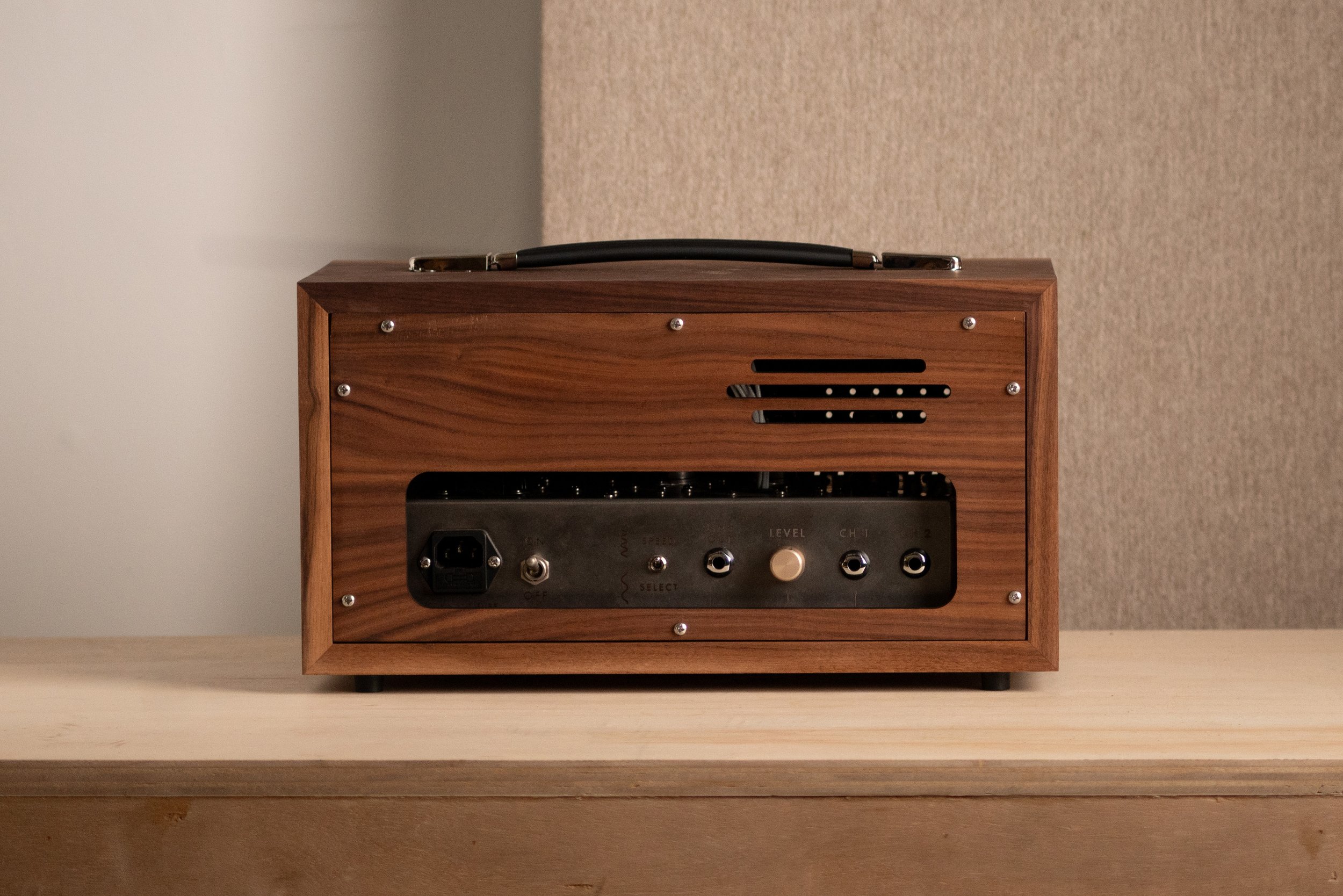
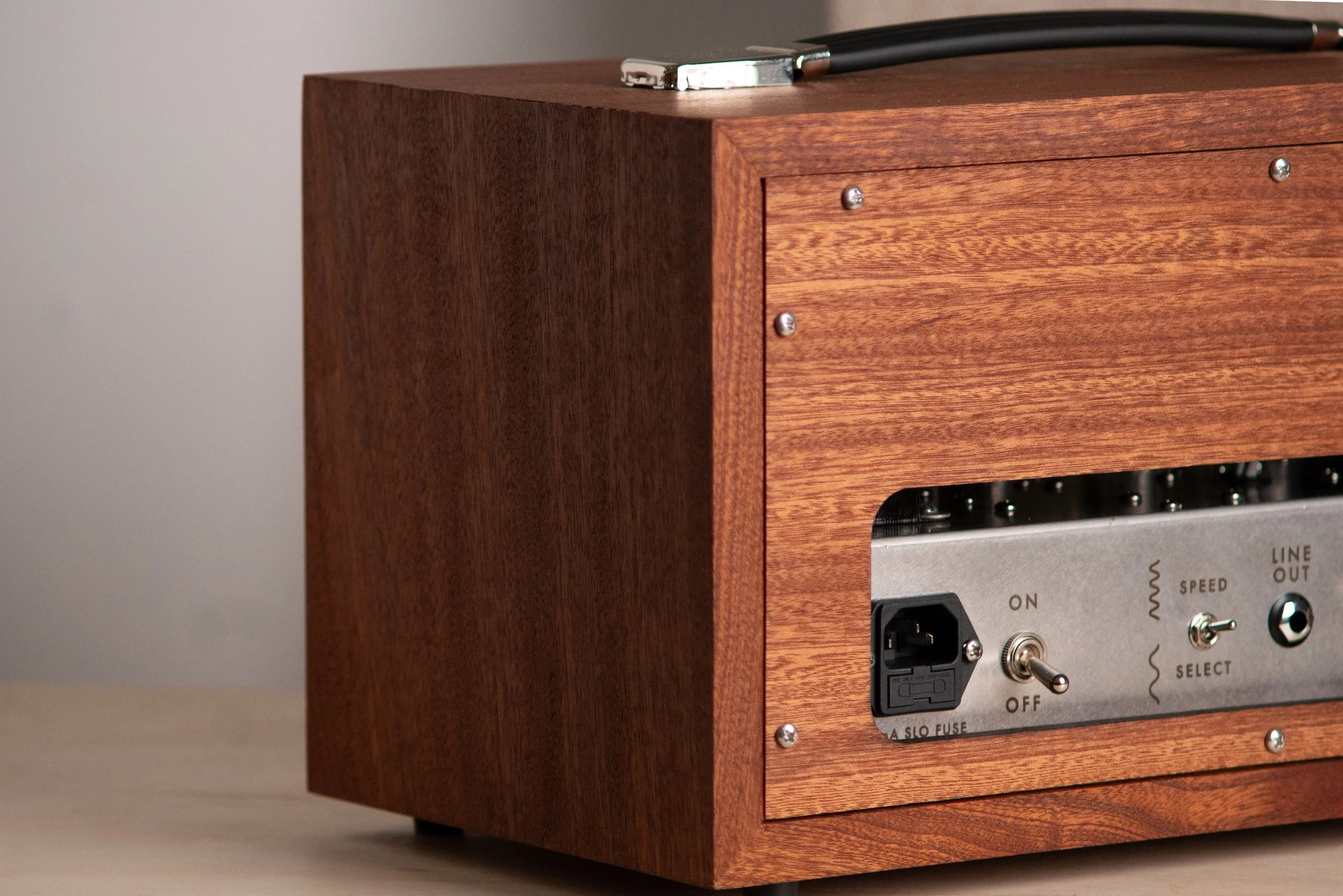
We offer two versions of this amplifier. The original version includes a powered Wurlitzer input. Wurlitzers need high voltage on the input—like phantom power—which makes it difficult to connect a Wurlitzer to any amplifier other than its onboard amplifier. The original idea behind the M3 was to make a clean, transparent amp circuit to provide an input voltage so that our Wurlitzer could be connected to our favorite tube amps and effects. We liked the sound of the M3 so much that we made a second version with two passive instrument inputs, so the M3 can be used with guitars or any other instrument-level input.
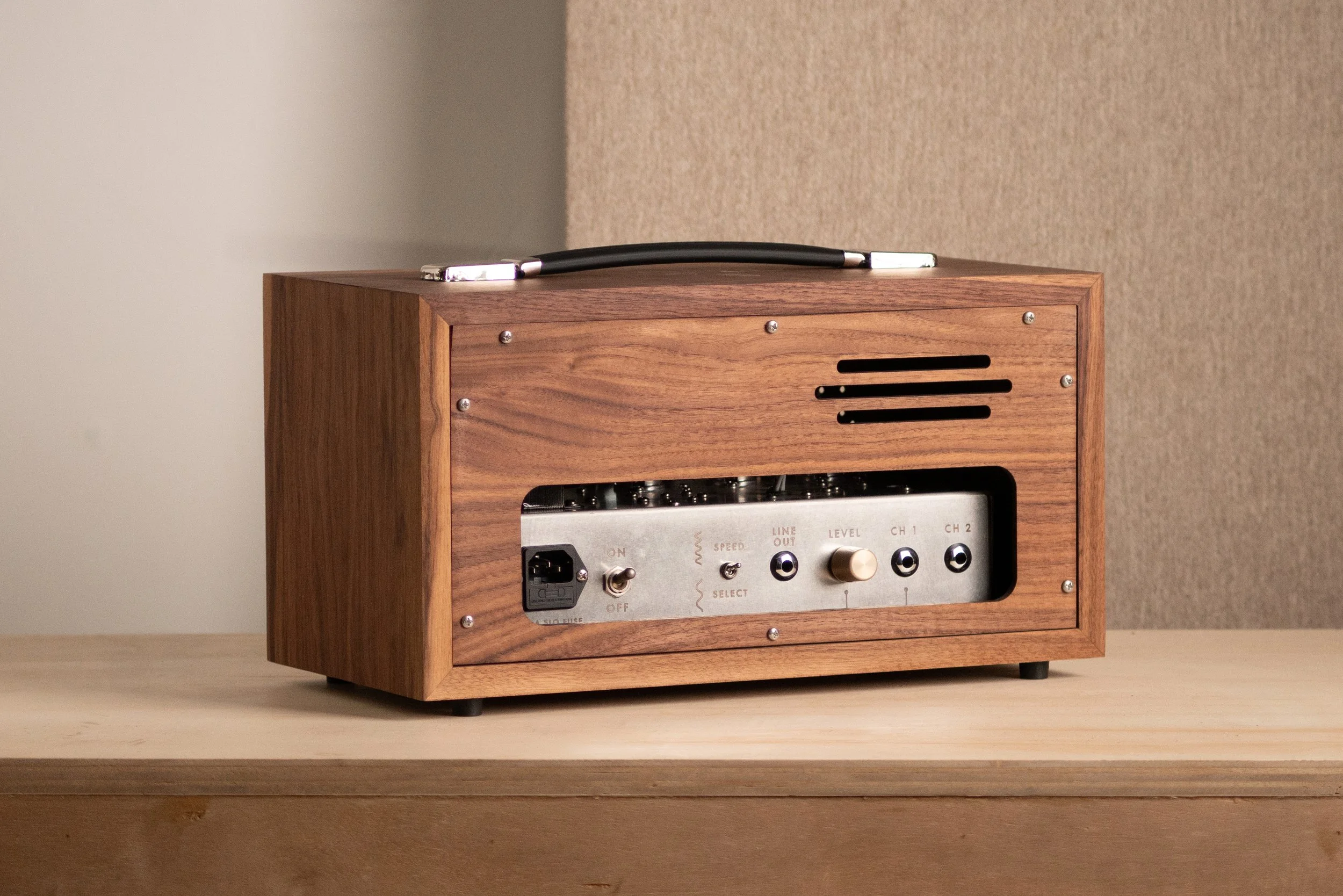
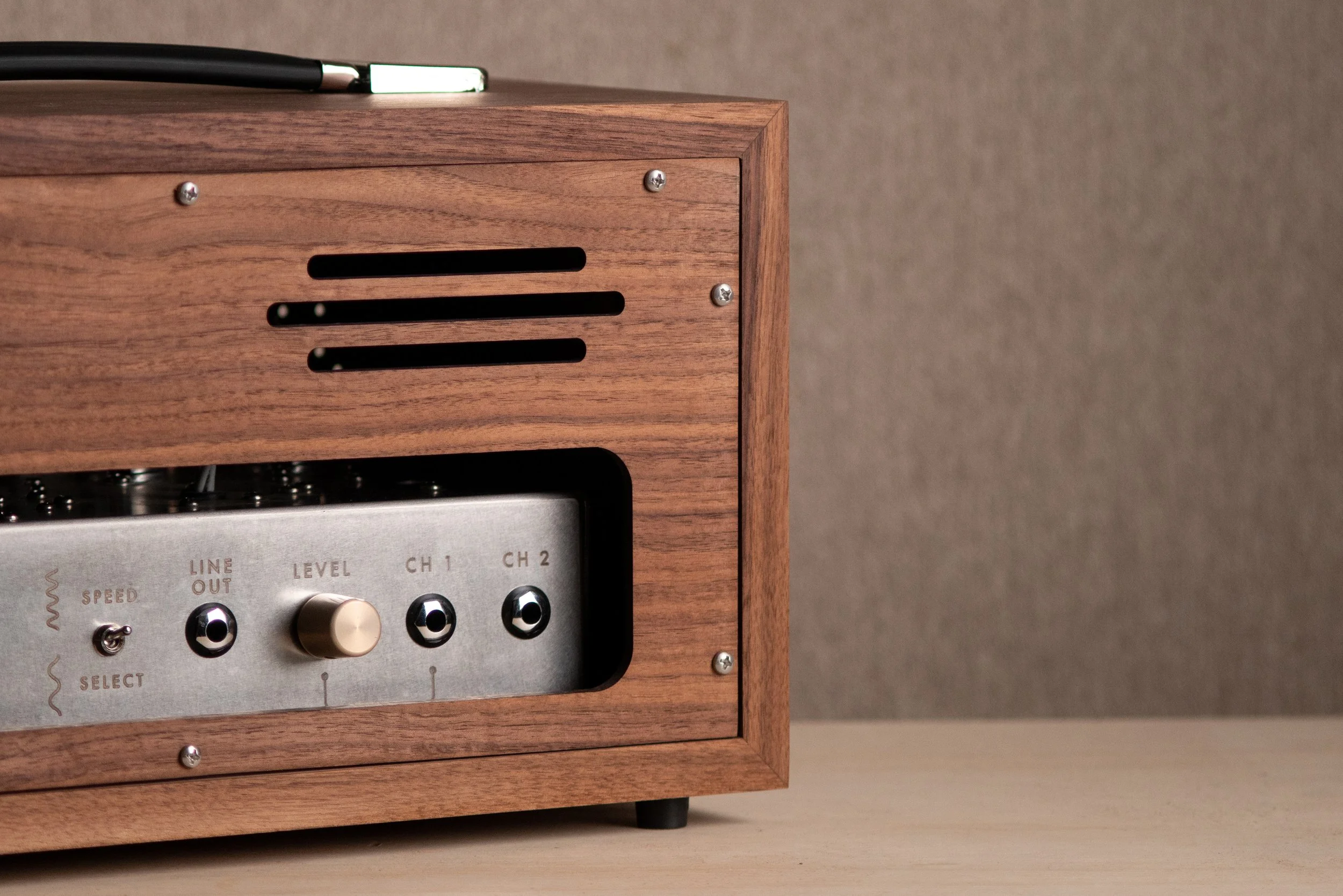
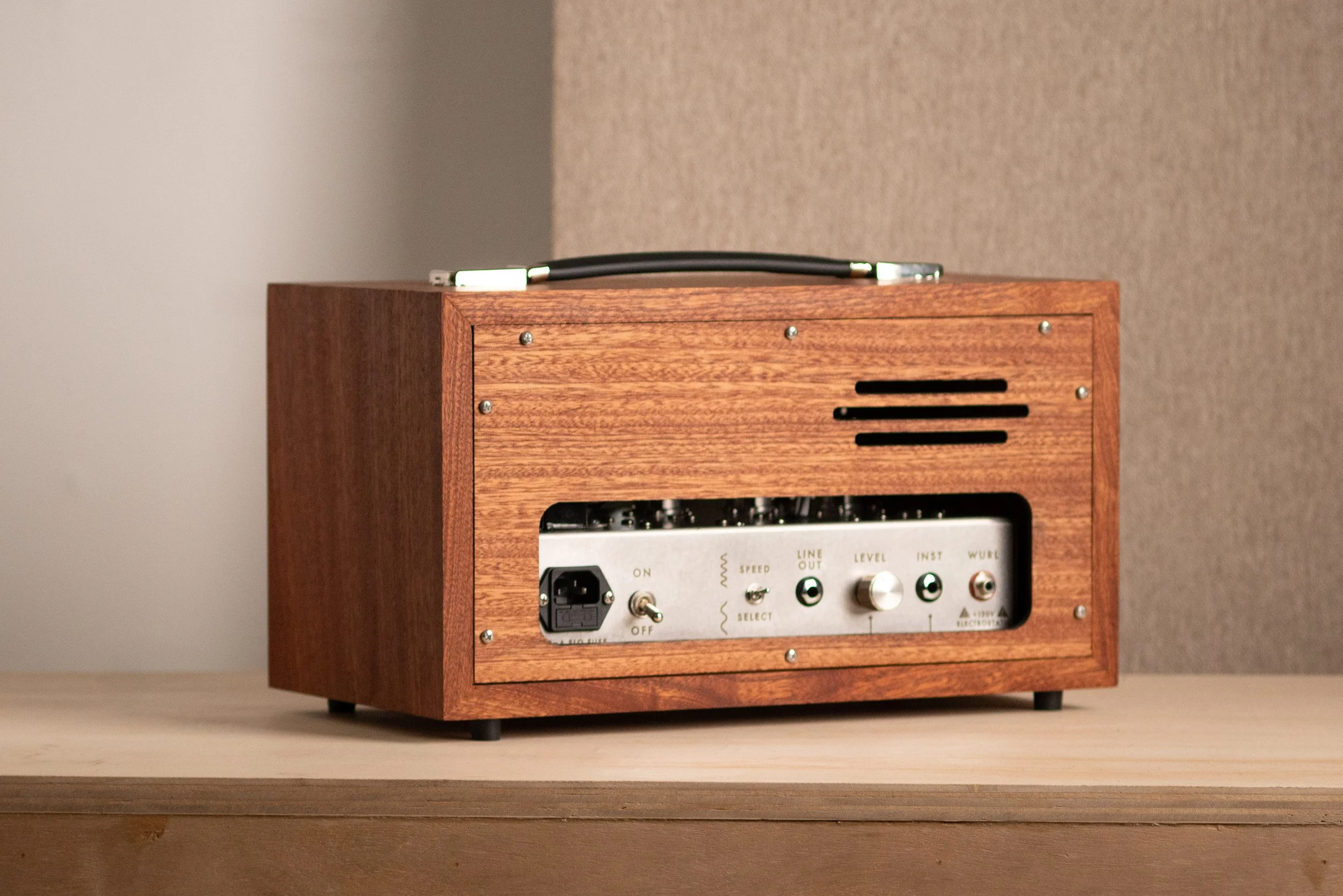
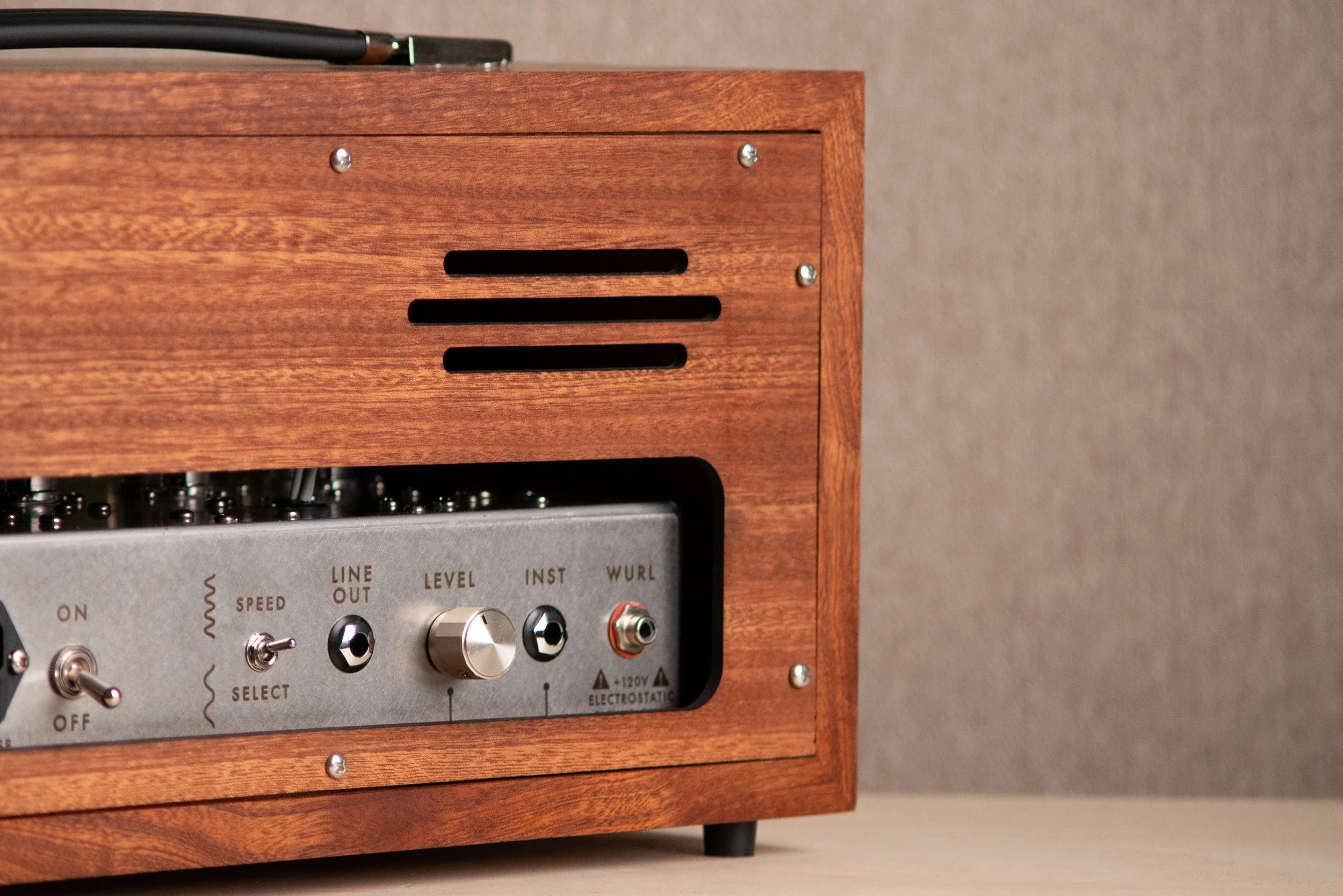
One powered Wurlitzer input + one passive guitar/instrument input. This version includes two inputs: one input for Wurlitzer, and a separate input for guitar, Rhodes, or any other instrument-level signal. The Wurlitzer input is a powered input that gives enough clean voltage to power a Wurlitzer electronic piano reed bar. This allows you to connect your Wurlitzer electronic piano to any mixer or external amplifier. Includes one Wurlitzer input cable.
Two passive guitar/instrument inputs. In this version, both inputs will be traditional 1/4” guitar inputs. Connect the M3’s buffered output straight to a mixer or interface for direct recording, or enjoy the M3 as a tremolo and boost effects unit that adds tube warmth to any external amplifier.
The M3 provides tremolo through a clean, all-tube signal path. Tremolo is kind of like a volume control turned up and down really fast, automatically by the circuit. In most amplifiers, the circuitry that tells the volume to turn up and down (the oscillator) is completely separate from the audio circuit. So, the “sound” of tremolo is really just the sound of the signal path. That’s why we prefer all-tube tremolo to any other kind. A great tube tremolo isn’t providing any color other than the clean tube warmth that we love.
So, we’ve designed the M3 with two channels: one very clean, while the second provides a little extra gain. Both channels provide a great-sounding base that adds tube warmth and tremolo to any external amplifier.
Here’s how tremolo works. Optocoupler tremolo—the type of tremolo used in the M3—affects the audio signal indirectly. Here’s how it works: an oscillator circuit creates a signal (in our case, a sine wave) that turns a light on and off. (In old amps, it’s neon; we’re using an LED.) The blinking LED changes the resistance of a light-dependent resistor (LDR). The LDR is the only tremolo component in the audio circuit, and its changing resistance (in time with the blinking of the LED) sends part of the audio signal to ground—kind of like if you were to turn the volume knob from 0 to 10 really fast, over and over again.
For effects like chorus or distortion, you have to send your signal through the chorus/distortion circuit in order to achieve the effect. So, in addition to adding the effect, the components that create that effect are changing your signal in subtle (and sometimes not-so-subtle) ways. That’s the tradeoff you have to make to achieve that effect, and it’s part of the effect’s overall character. Optocoupler tremolo isn’t like that—the effect itself is created through a circuit that is isolated from the signal path. That makes it one of the most transparent effects there is—unless, of course, you’re sending it through the mysterious innards of a mass-produced pedal. In our opinion, a high-quality, all-tube circuit and an LDR is the best way to achieve tremolo.
sPECIFICATIONS
All-tube preamp with buffered, line-level output suitable for connecting to mixers, interfaces, and external amplifiers
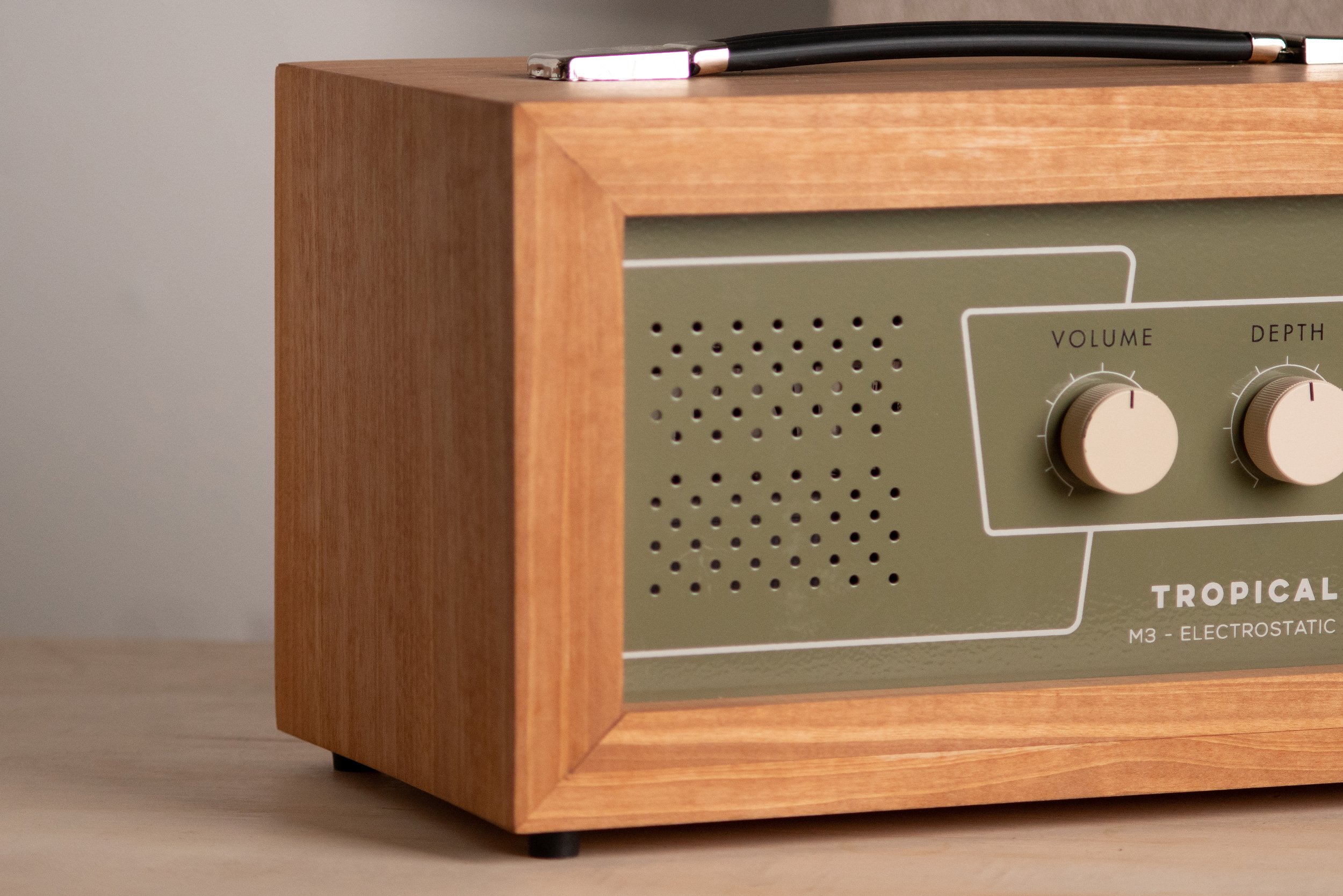
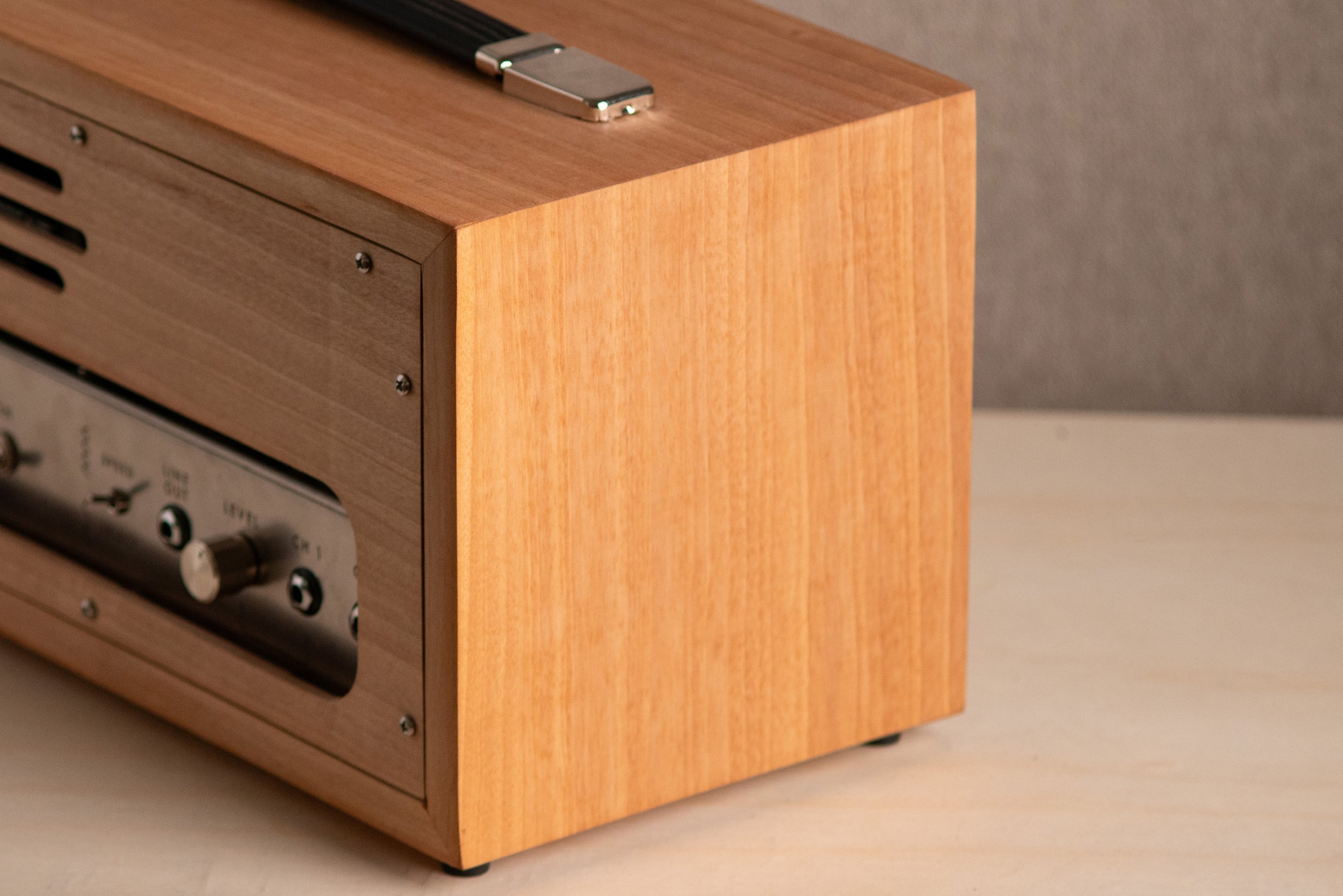
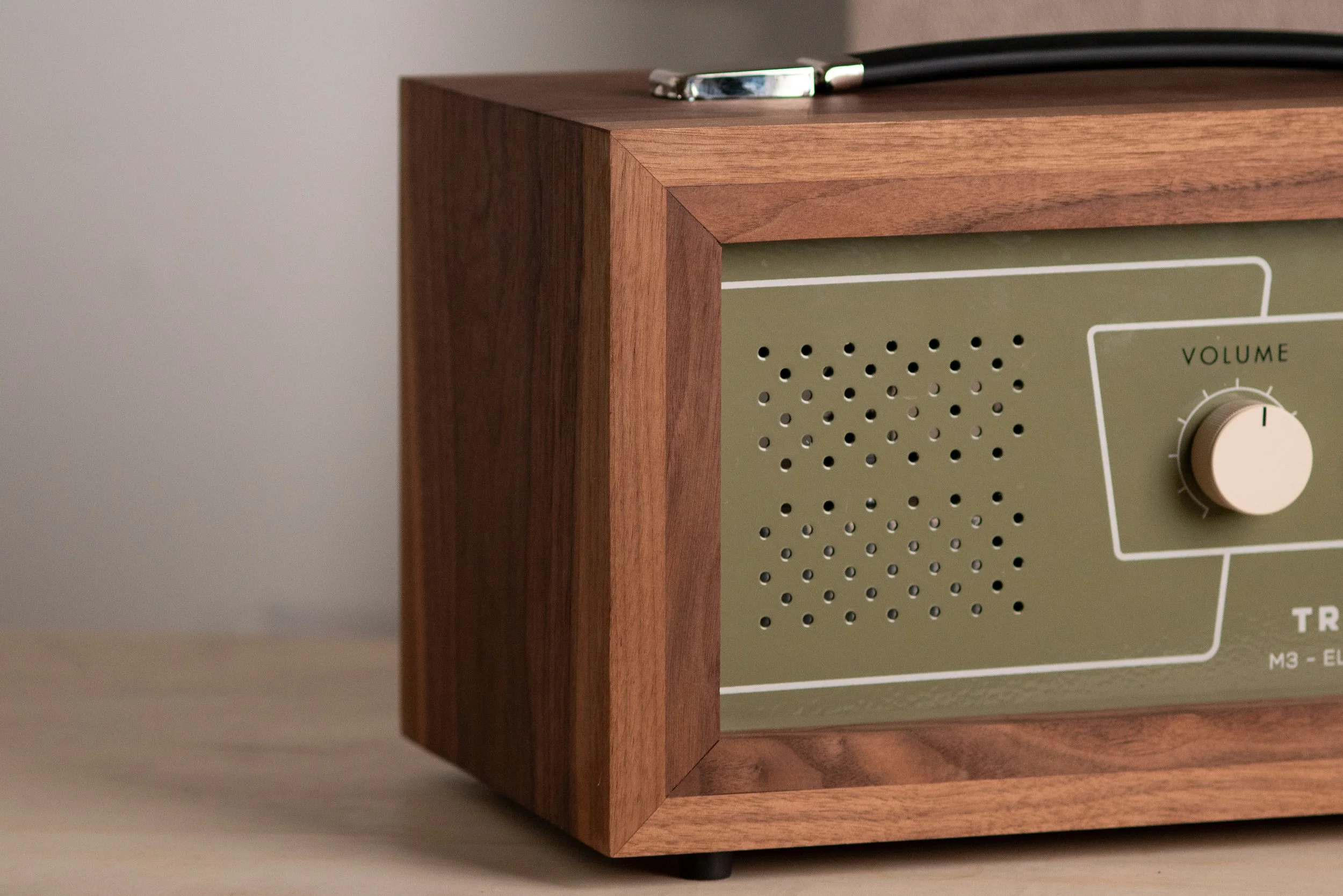
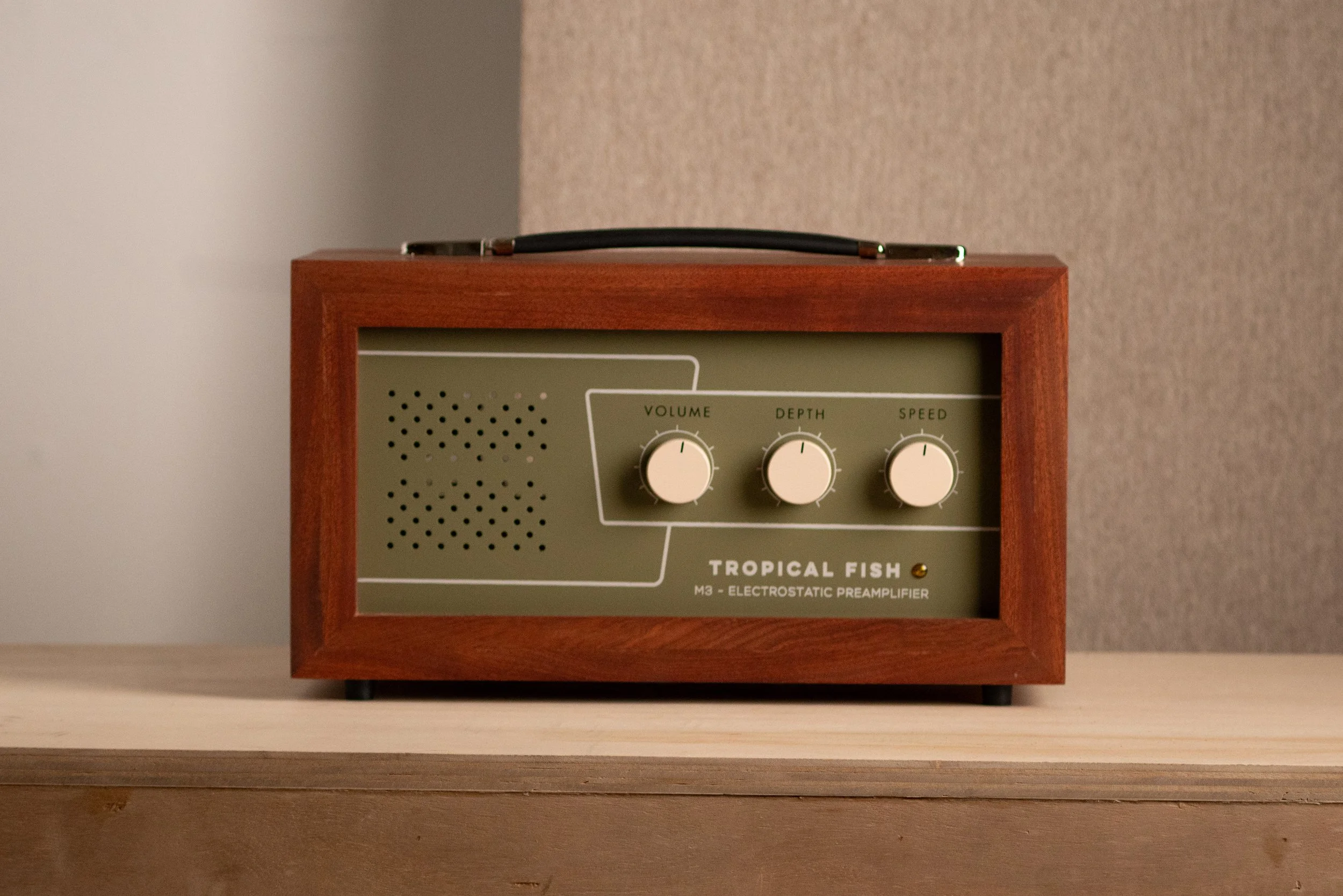
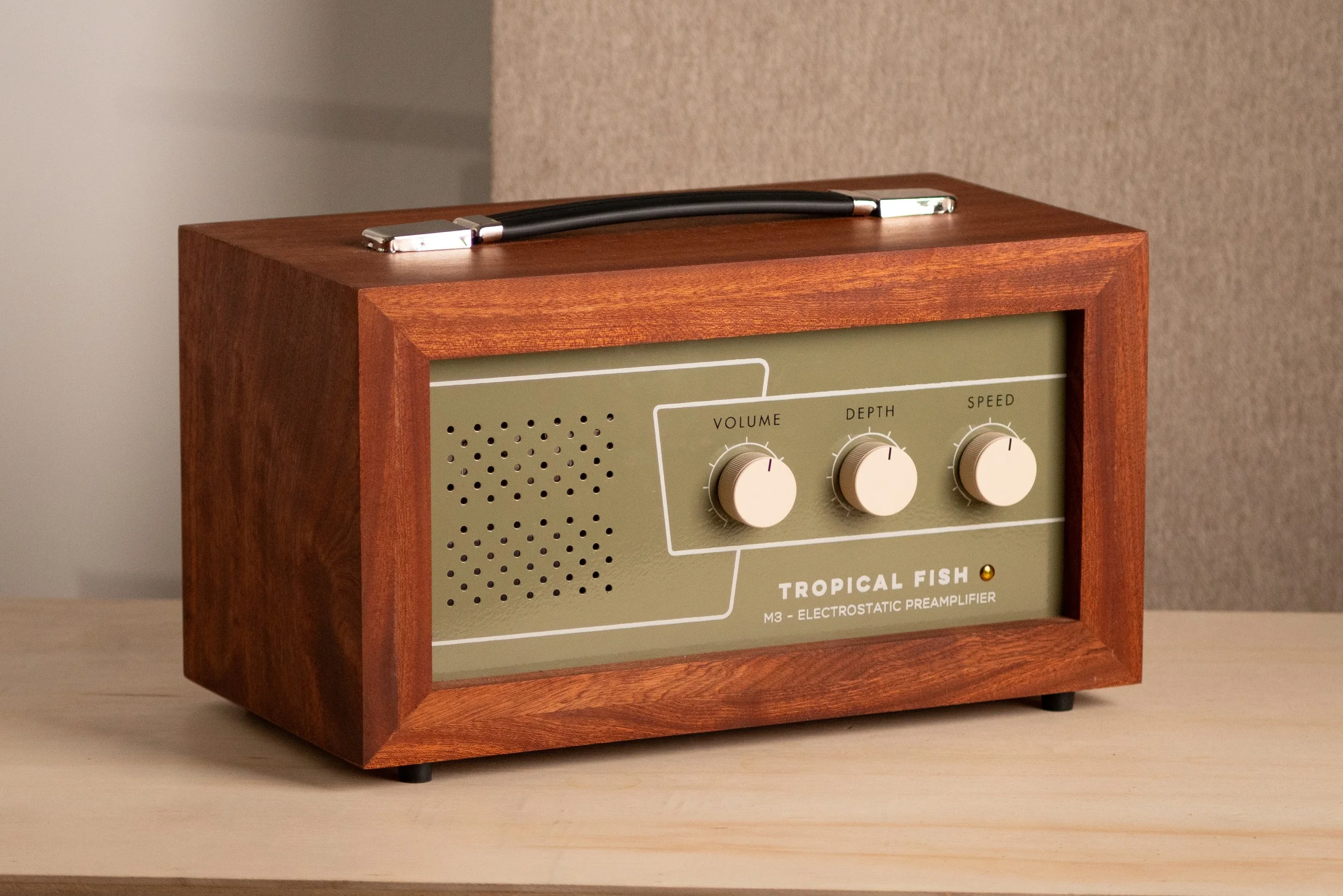
Handmade solid wood cabinet designed and built fully in-house
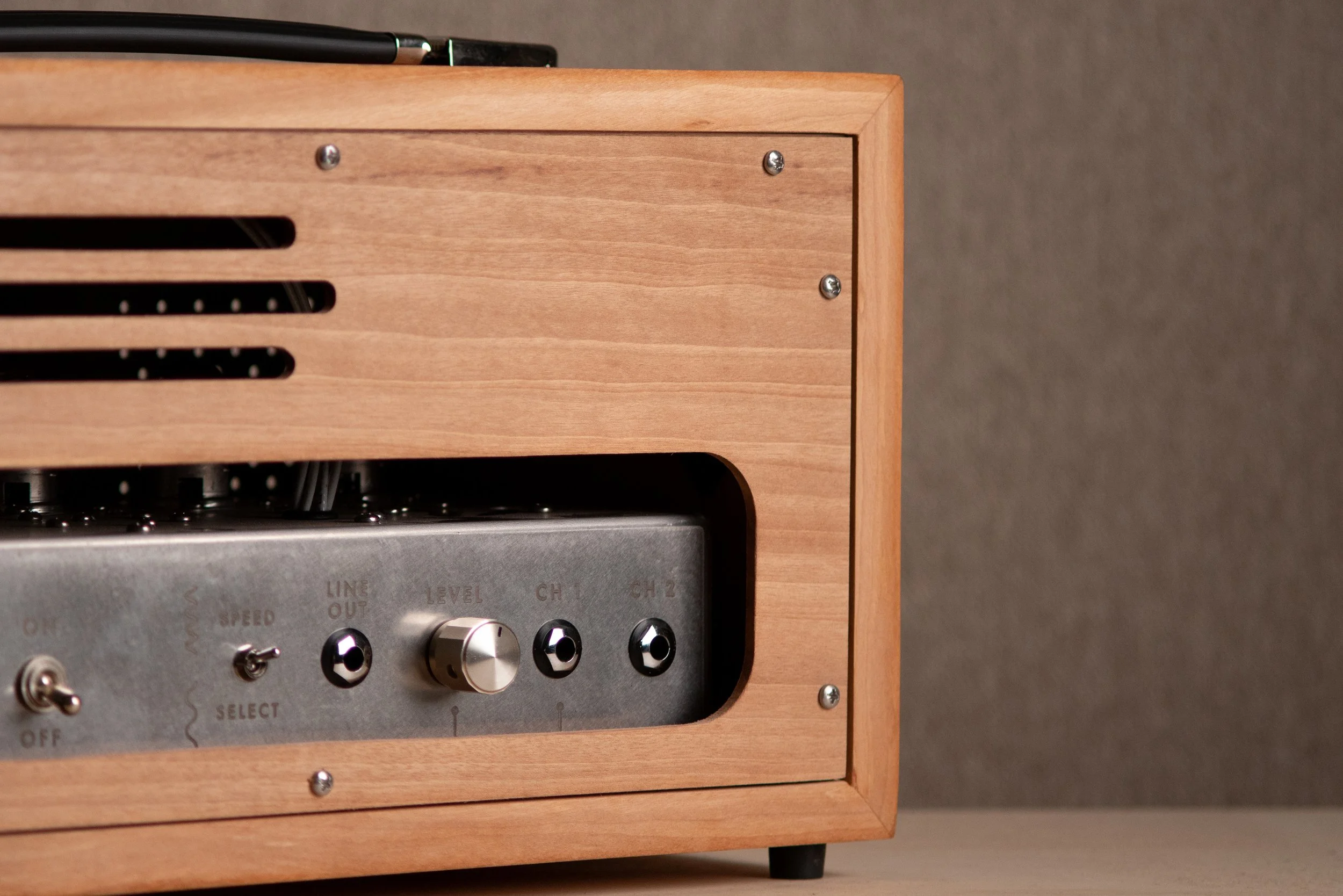
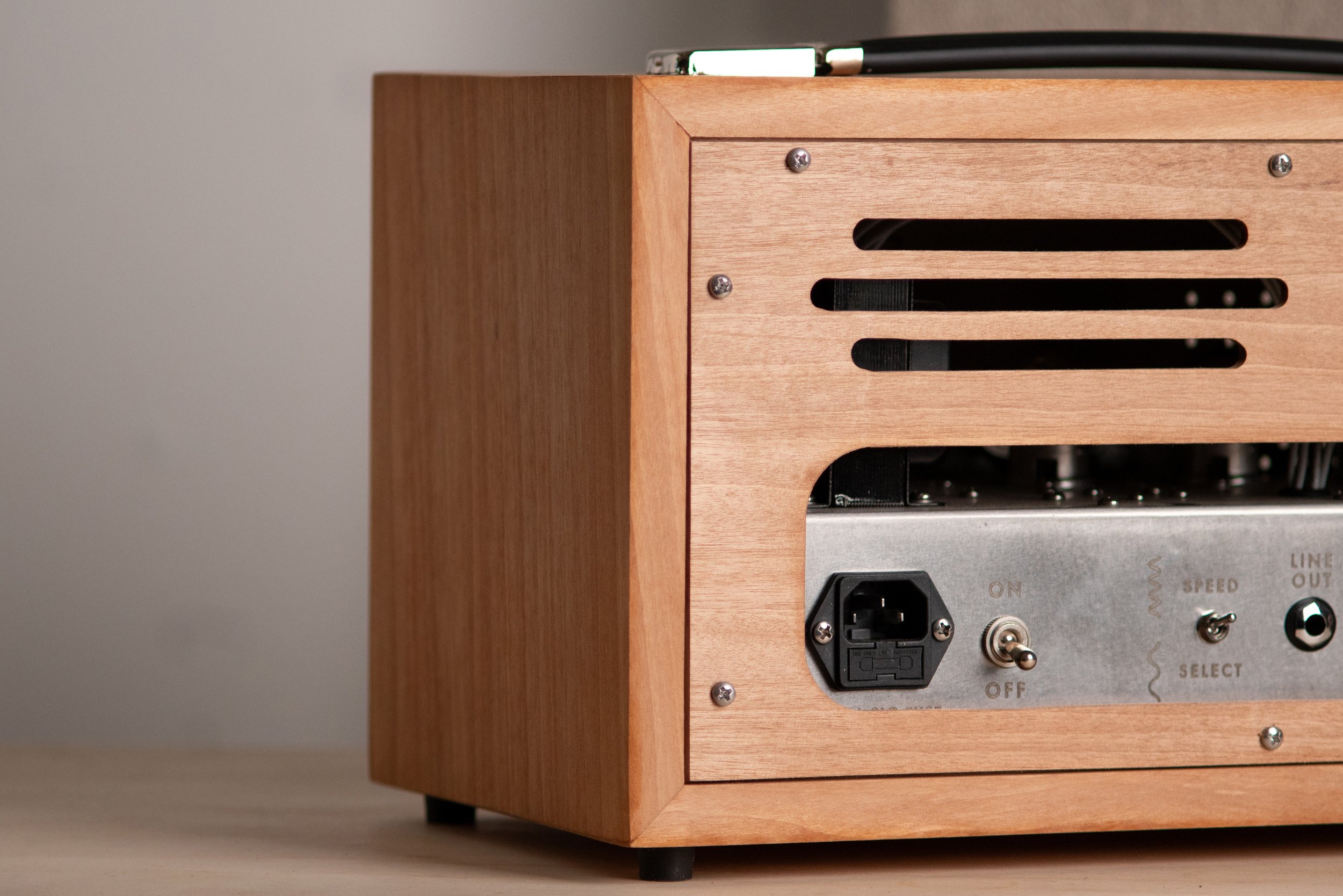
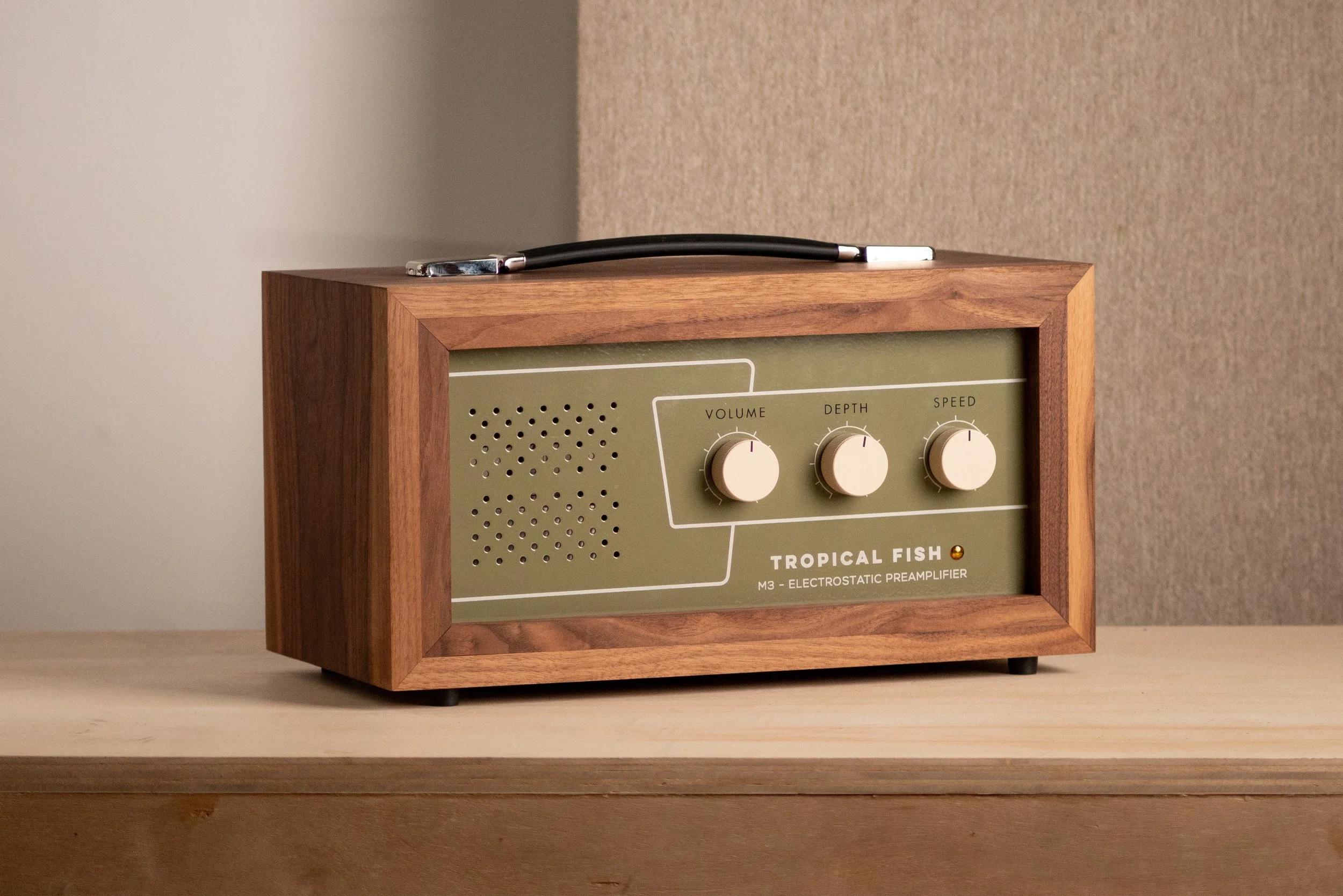
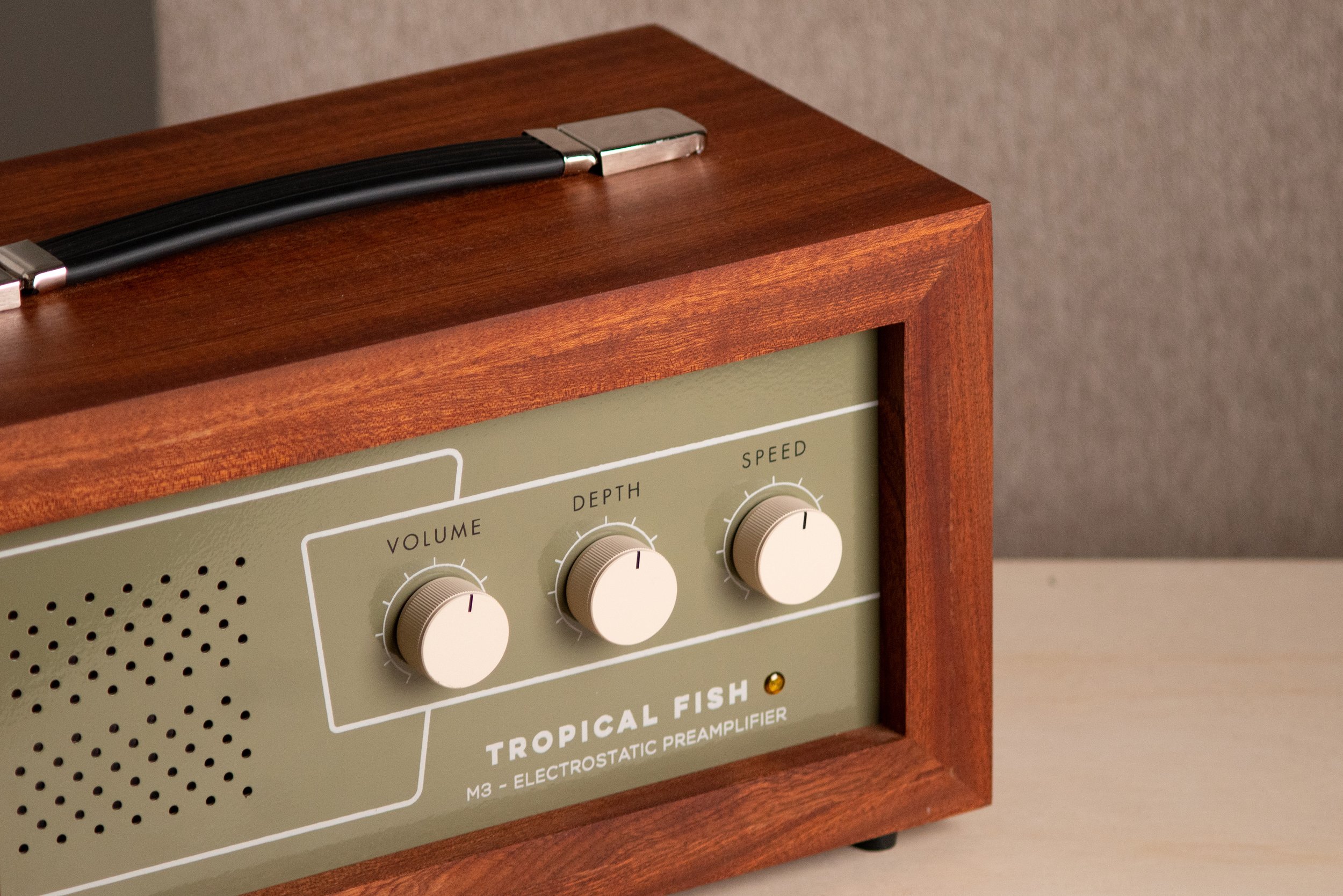
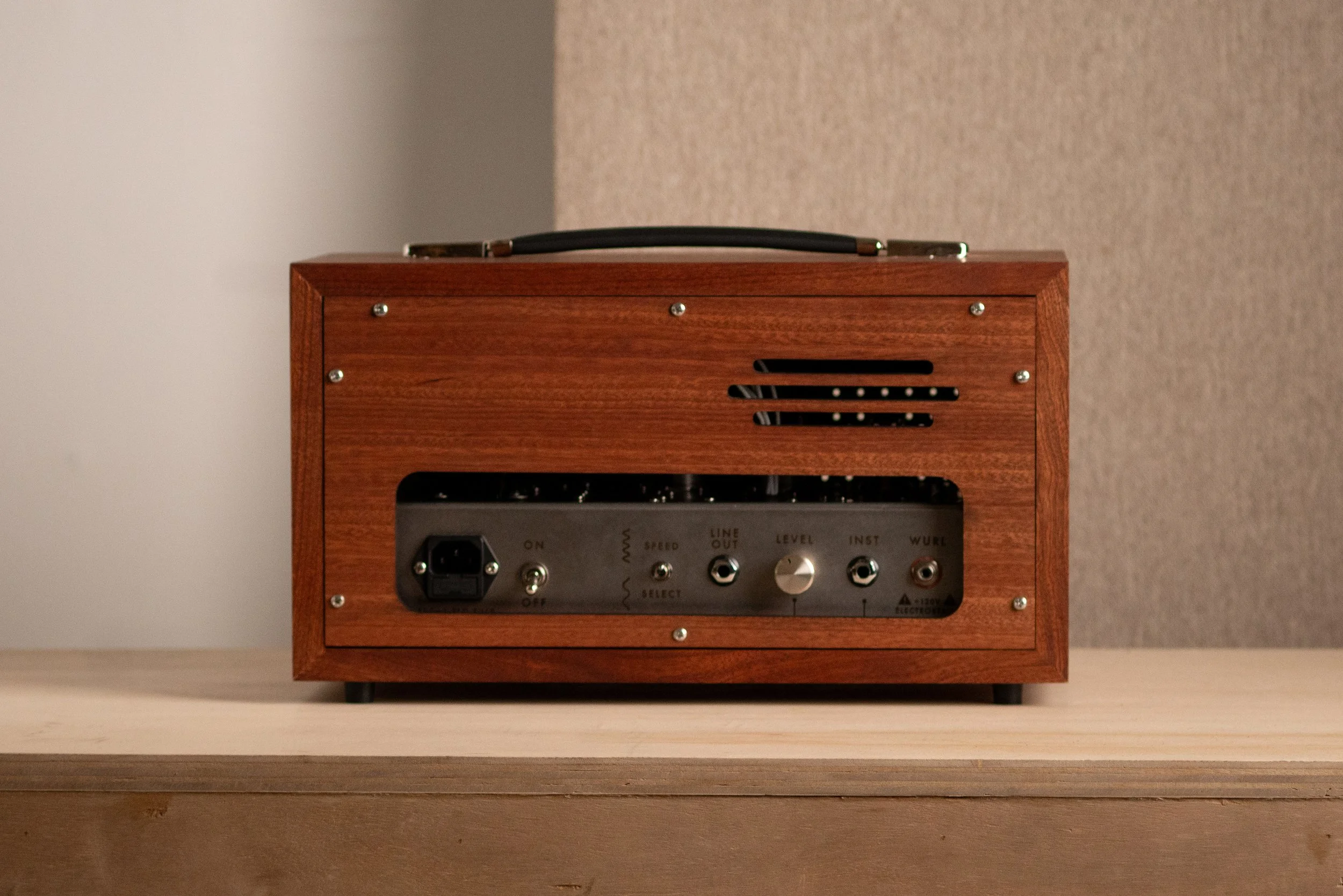
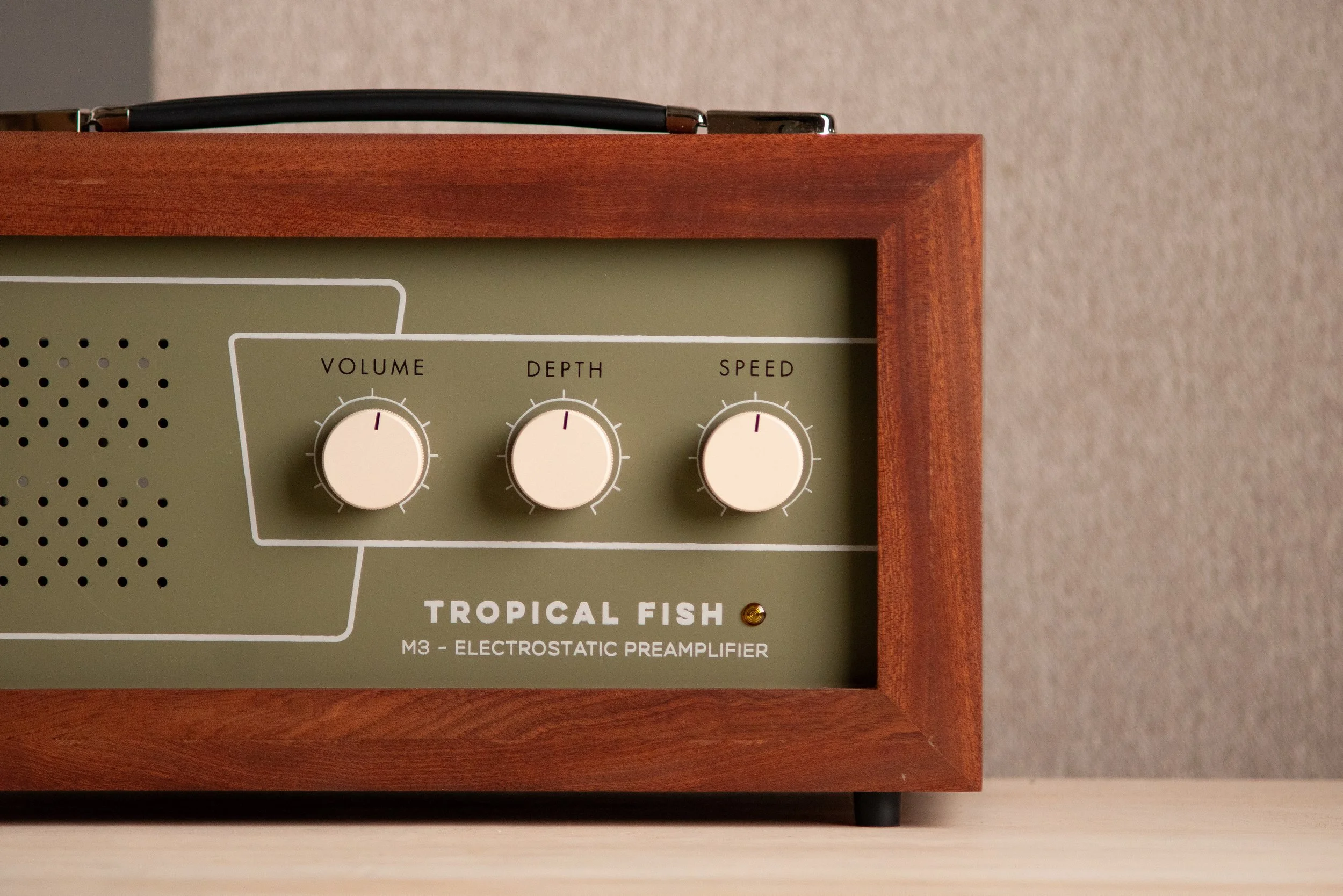
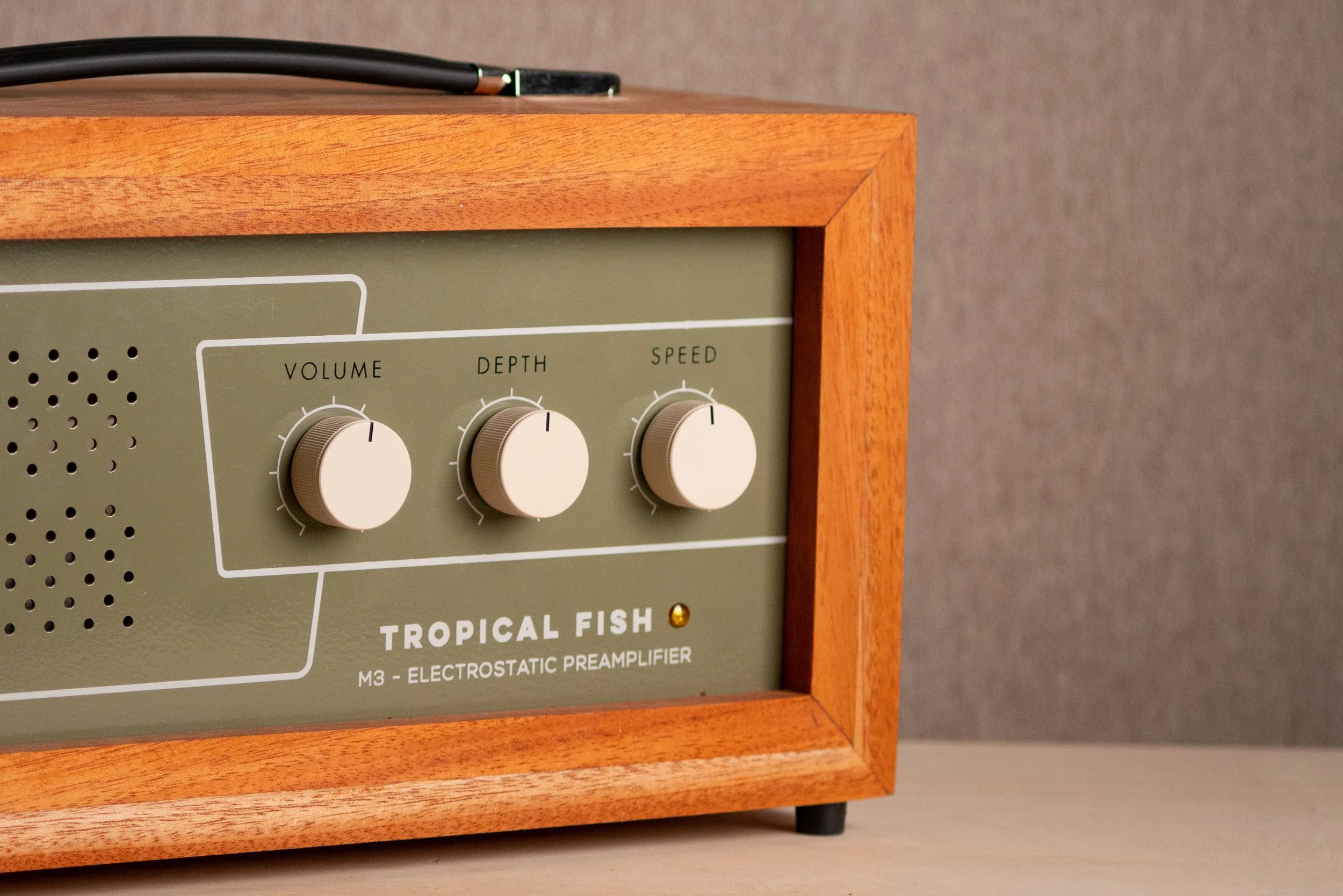
Front faceplate screenprinted and powdercoated by local artisans; rear faceplate engraved us
Hand-wired, point-to-point circuit construction
Choose between two passive 1/4” inputs, or one powered RCA input and one passive 1/4” input
Two 12AU7s and one 12AX7 tube complement
12AU7 input tube can be swapped for other tubes in the 12A_7 family for variations in gain and tone
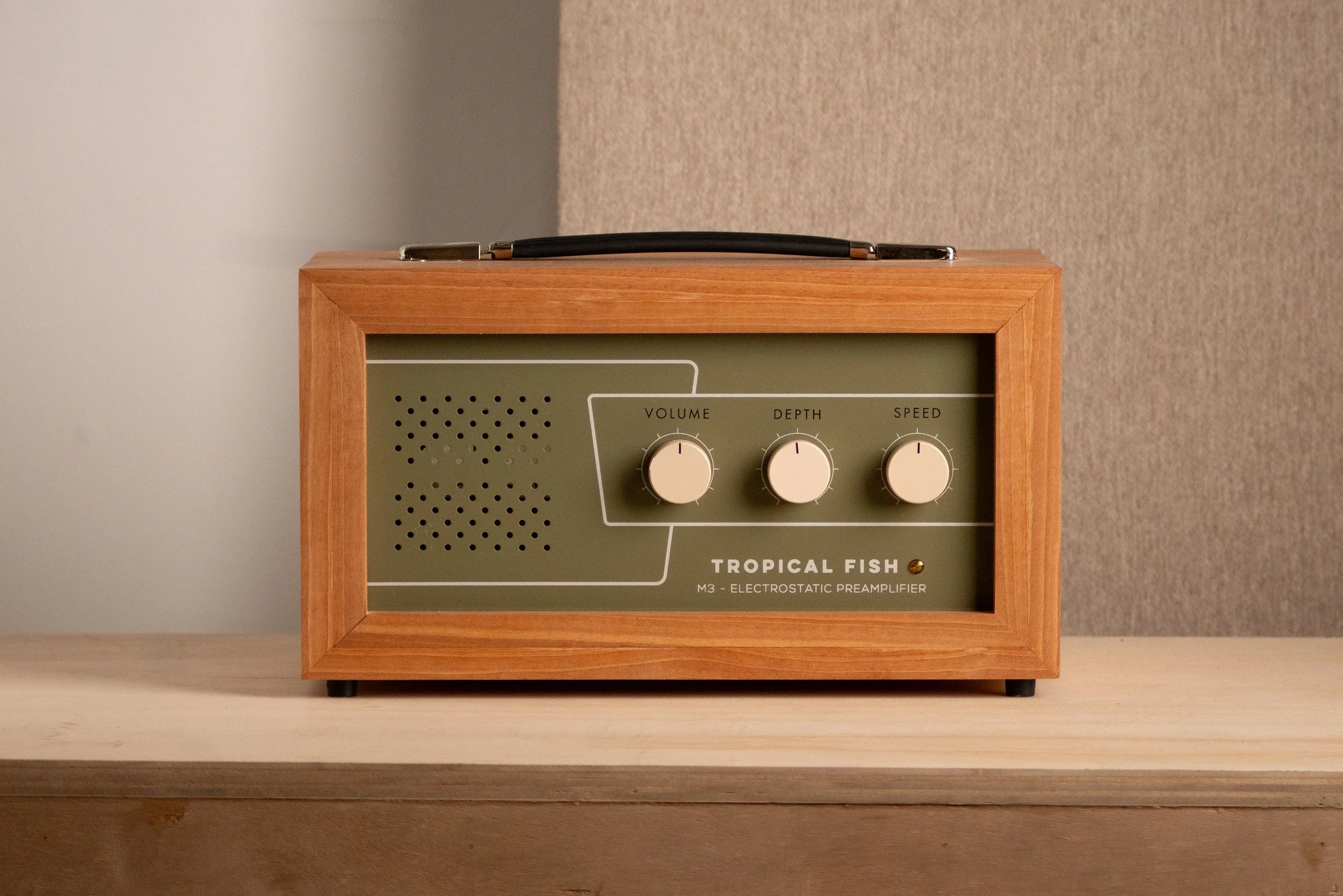
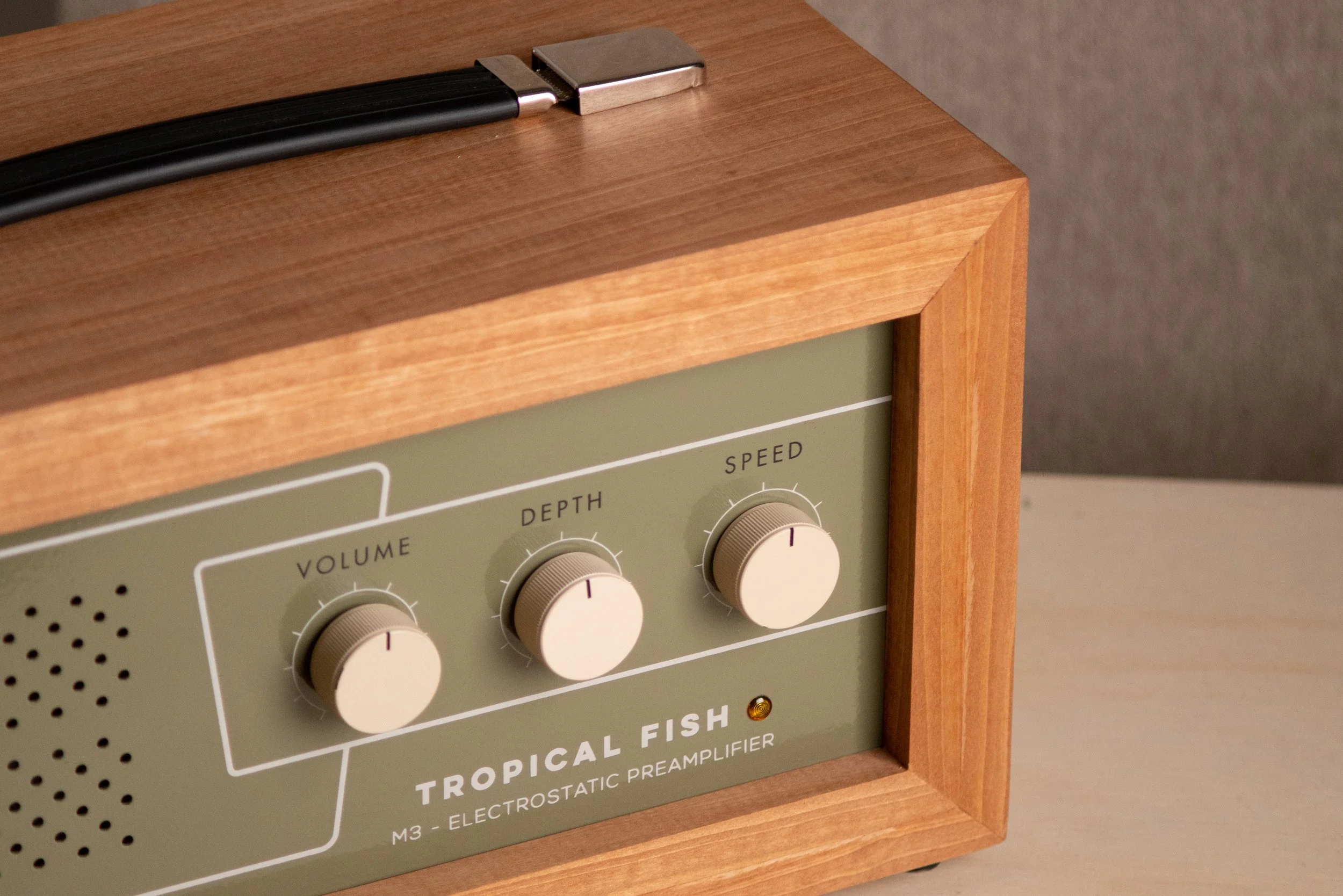
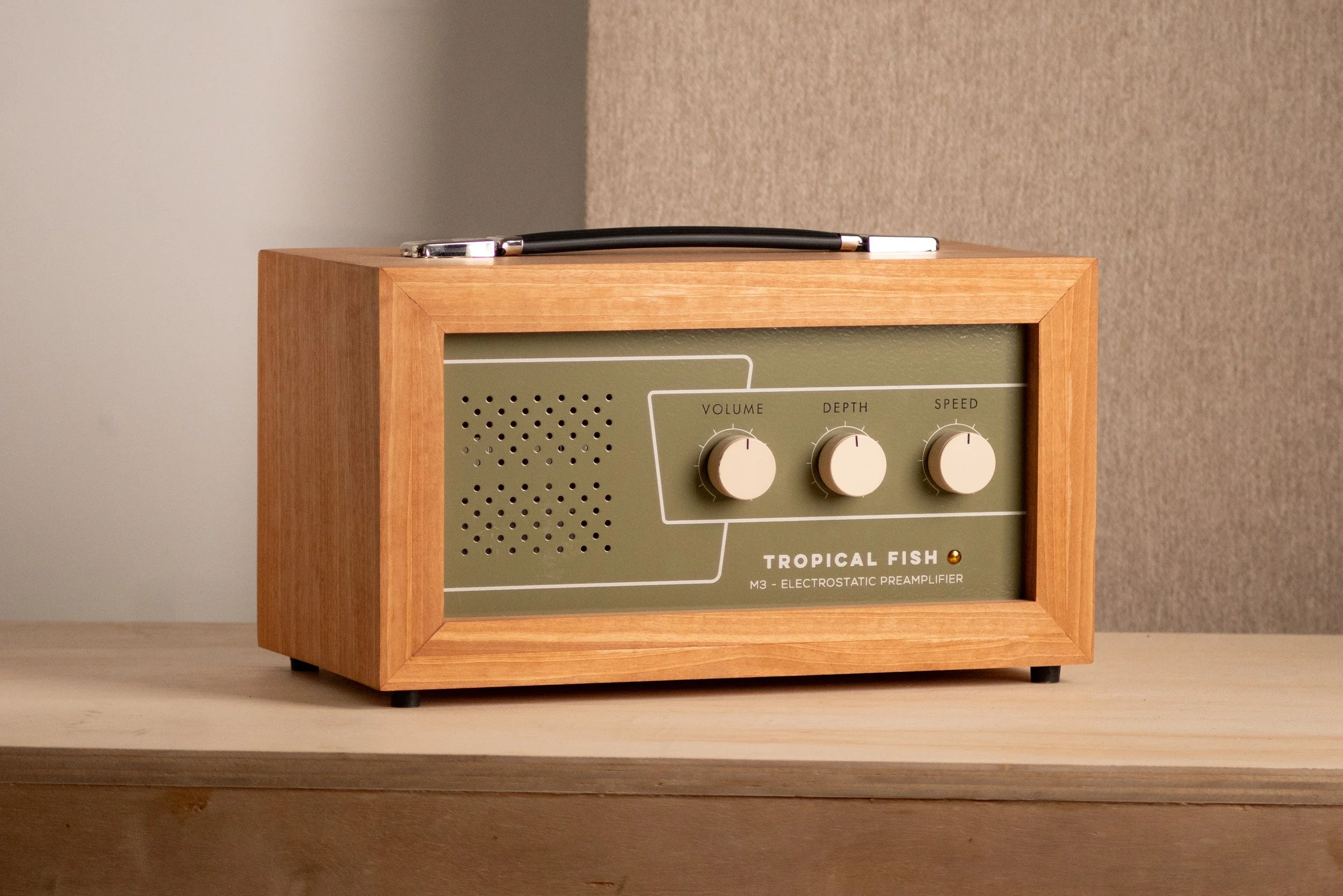
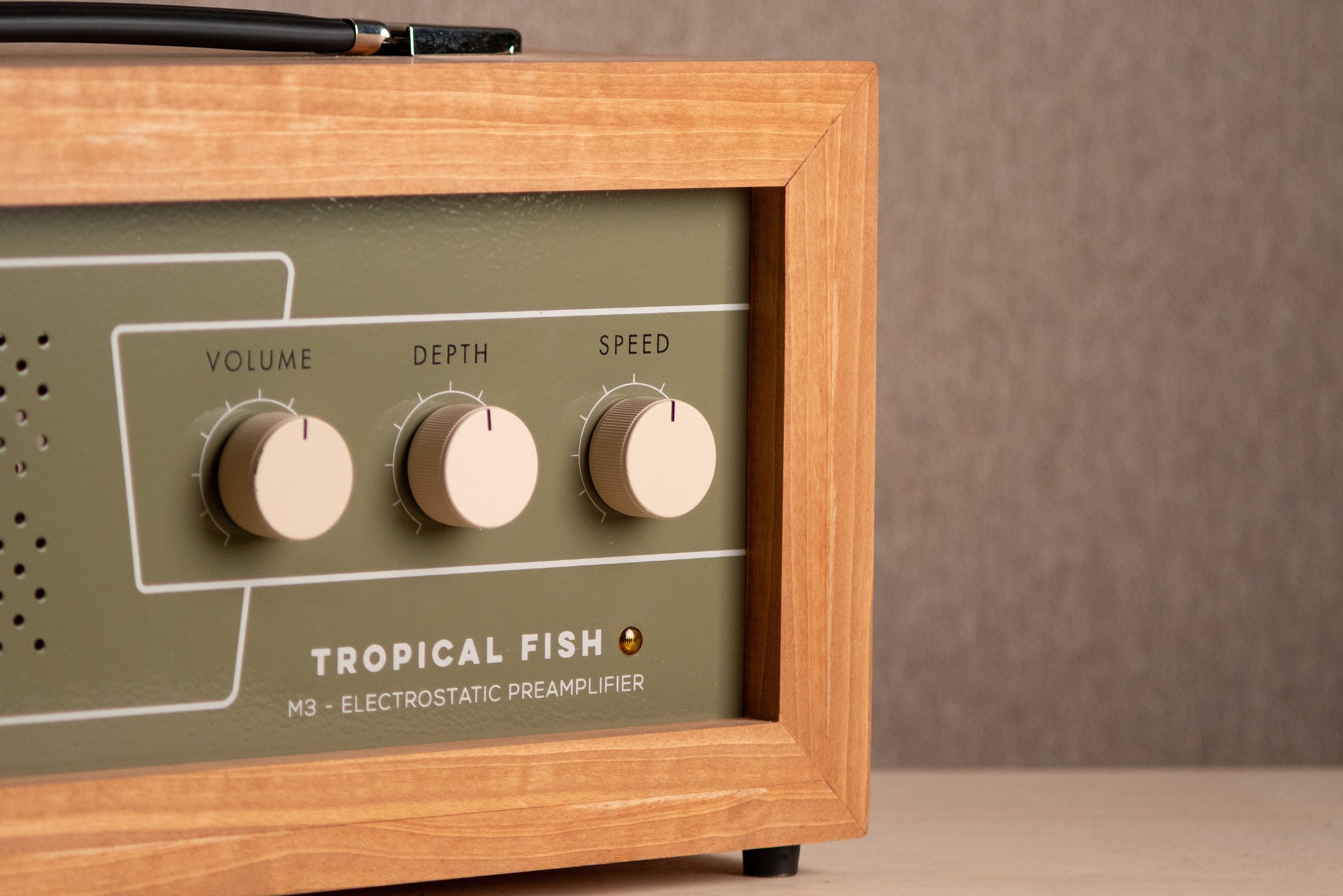
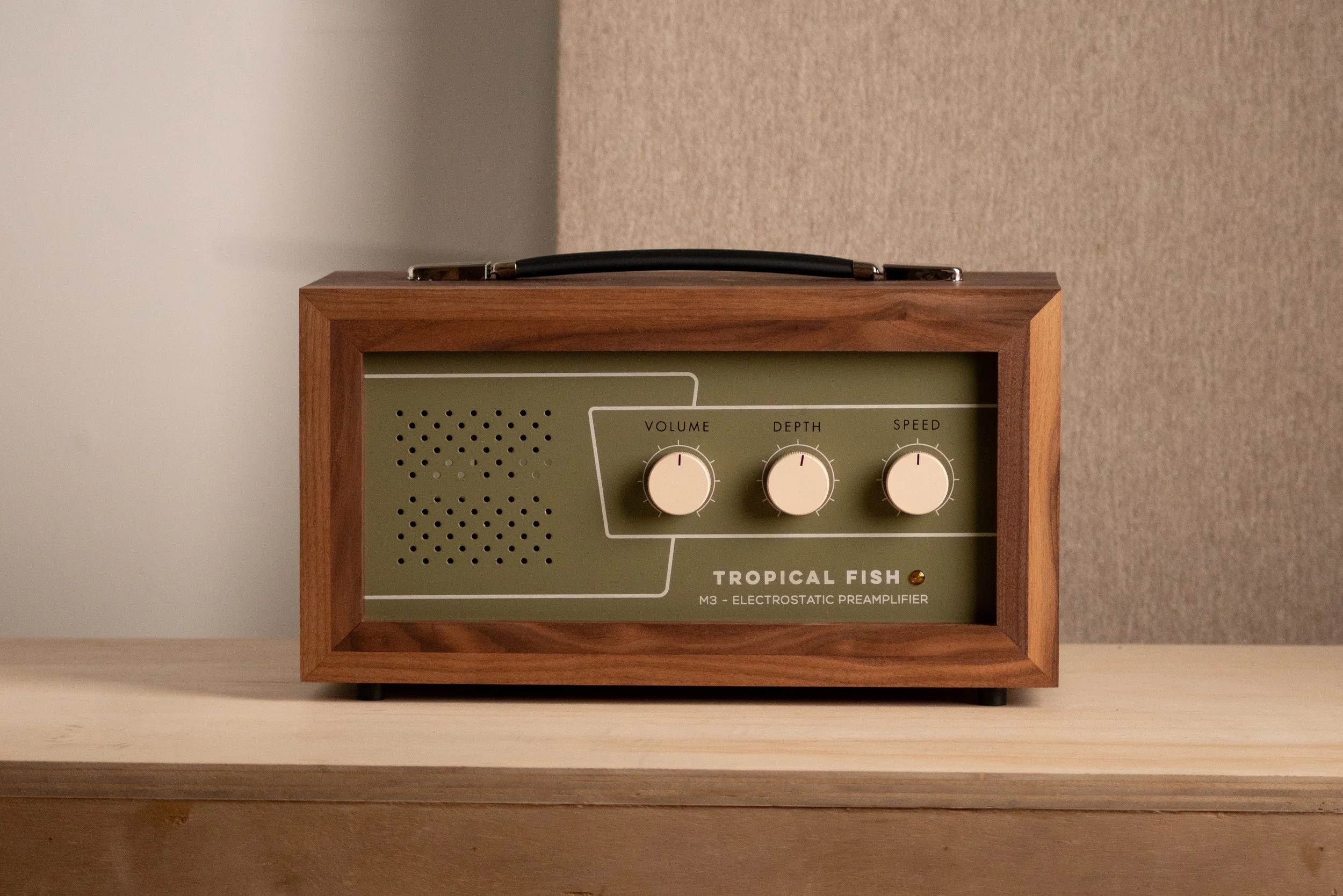
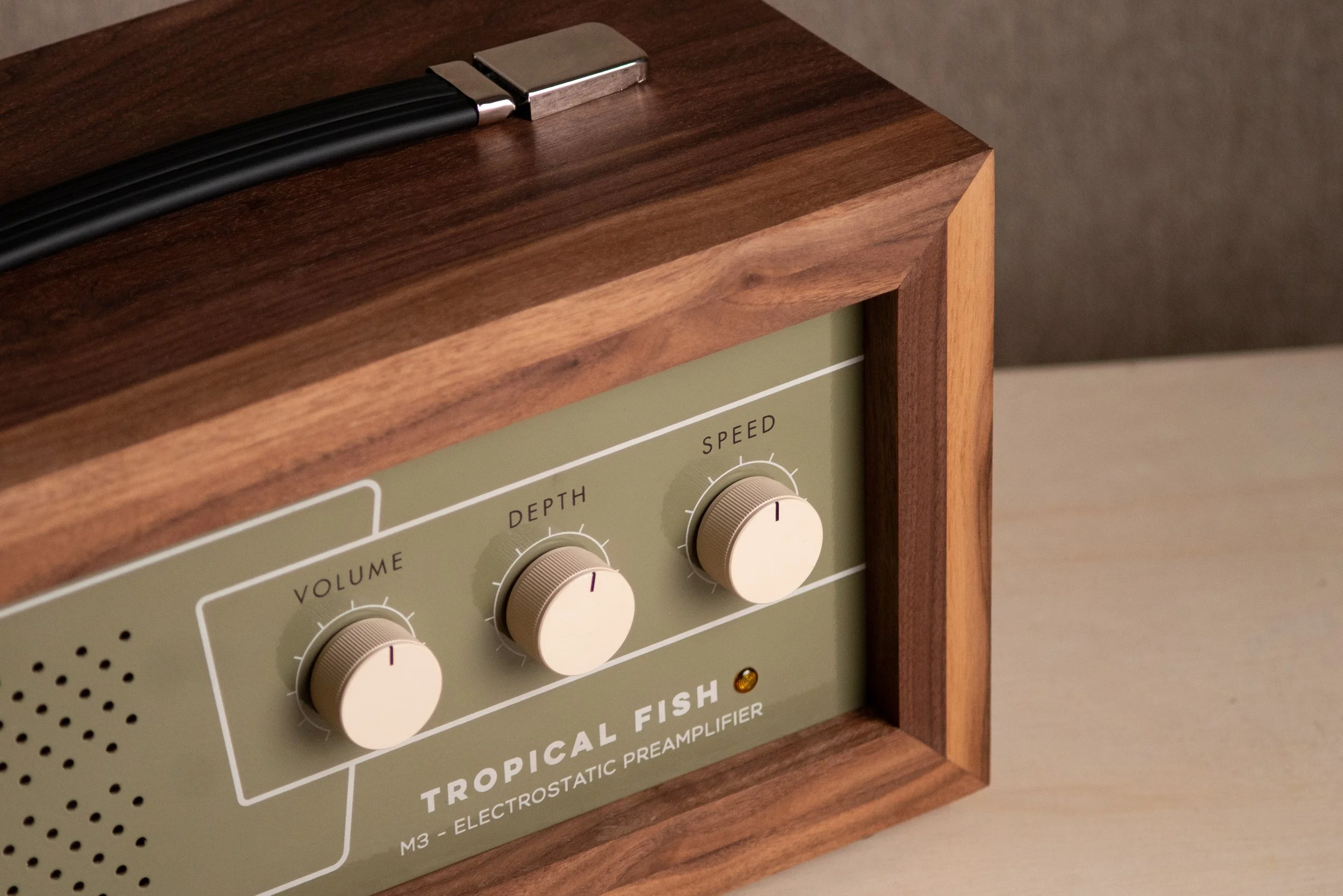
Front controls: master volume, tremolo depth and tremolo speed
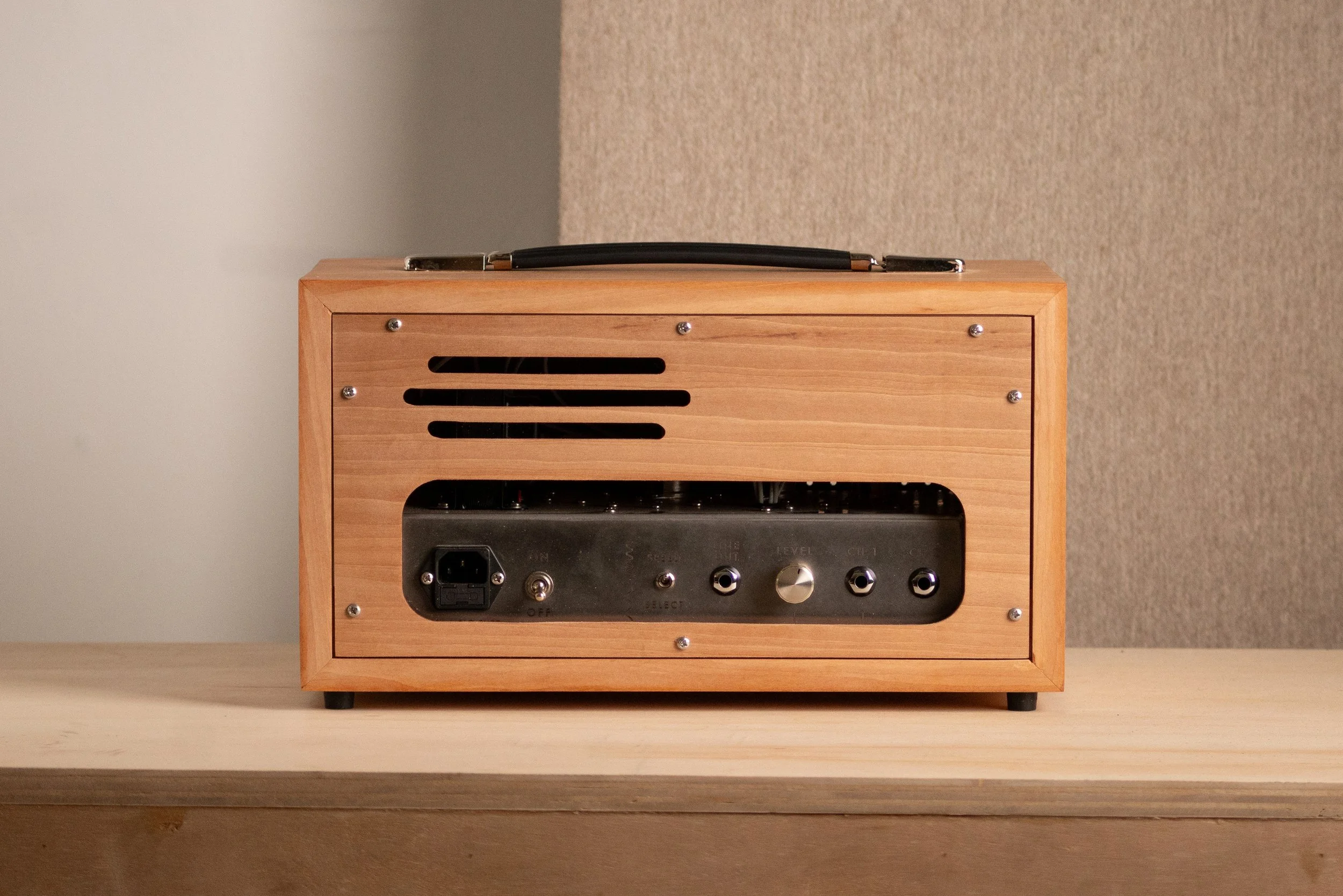
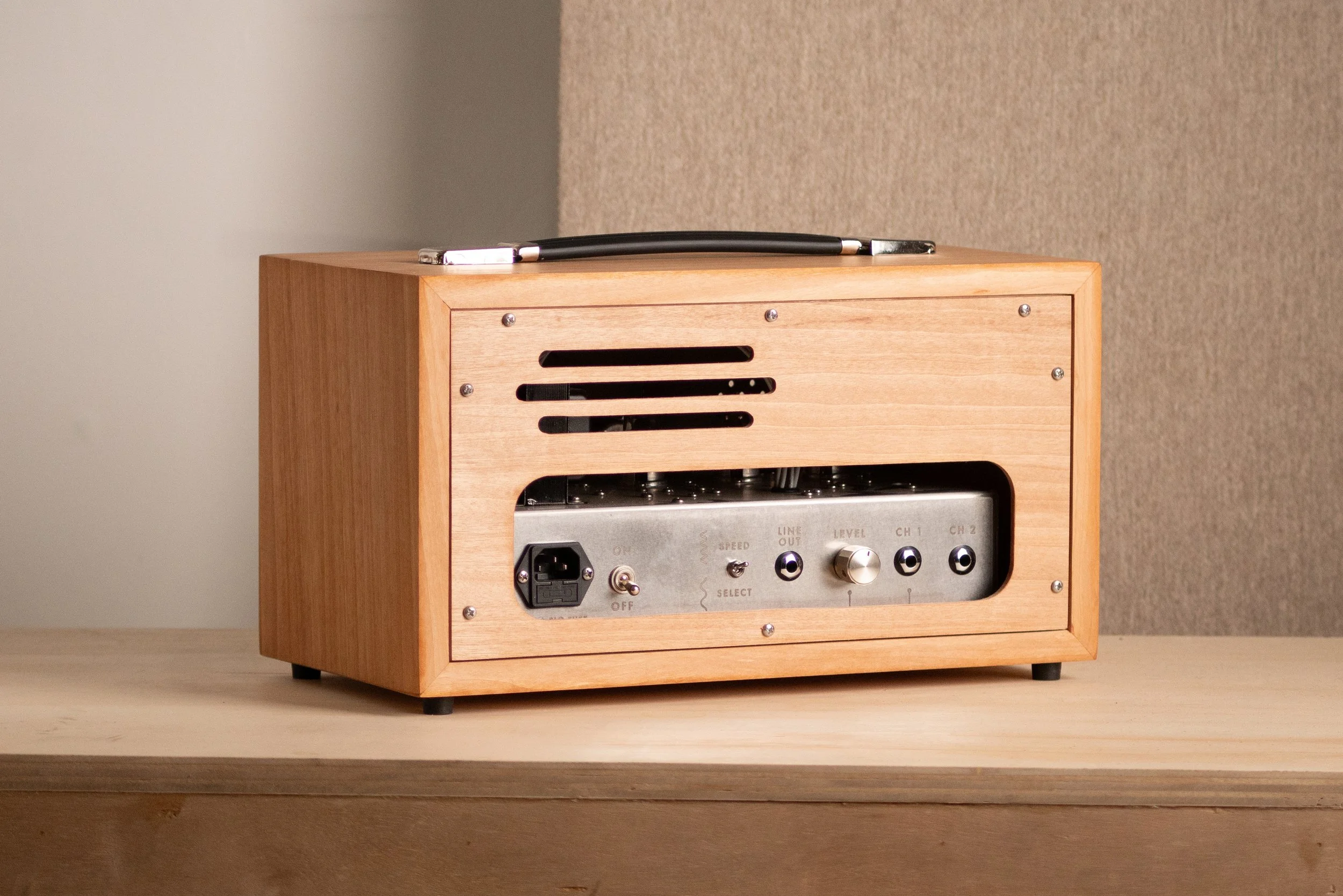
Rear controls: gain knob (instrument/channel 1 only) and tremolo speed fast/slow switch
Speed select switch allows for large range and detail in both fast and slow tremolo speed settings
Dimensions: 15” wide, 8” high, 8” deep
Weight: 10.5 lbs