
Wurlitzer 120 & 700
The Wurlitzer 120 revised the action, amplifier, and form factor of the Wurlitzer 112. It appears that Wurlitzer was working to make the electronic piano more portable, easier to service and easier to use. They succeeded—if at the expense of amplifier adaptability.
This model series also introduced the Wurlitzer 700, a console option for people who preferred an elegant, more traditional-looking piano.
Although the Wurlitzer 120 did not have onboard tremolo, the matching tone cabinet is evidence that Wurlitzer considered tremolo complementary to the electronic piano. Read more about how the 920 tone cabinet was intended to be used with the Wurlitzer 120.
Pros:Stylish midcentury cabinetLighter and smaller than the 112Very cool tube amplifierUnique early Wurly sound
Cons:Only slightly more serviceable than the 112Playability is comparable to a 112Amplifier has very little modification potential—although a 700 gives you more optionsReeds are unobtainable
The Wurlitzer 120/700 amplifier: Equal parts amazing and disappointing
The disappointing thing about the 120 amplifier is that Wurlitzer cut all of the gain stages and extra circuitry that makes the 112 so customizable. But the 120 is a tone machine, and it is really impressive that Wurlitzer fit a fully-loaded push-pull 6V6 amp inside such a tiny chassis. Still, there's no space to add circuits that people nowadays consider essential, such as a buffered aux output or an effects loop. (You can, however, easily add a passive aux output that gets the job done.)
Regardless, the Wurlitzer 120 amplifier deserves admiration. To provide gain and phase inversion using the least number of tubes, it employs a paraphase inverter. Essentially, the output of the first half of the 12AX7 is sent to one of the push-pull 6V6 tubes. At the same time, the signal is attenuated through a voltage divider and sent through a second 12AX7 gain stage. This creates an inverted signal that is approximately the same amplitude as the first amplified signal, and it goes to the second 6V6 tube. So, one 12AX7 provides both gain and phase inversion. The 120 amplifier has everything it needs, and not a single thing more than that.
Usually, keyboards are designed for linear amplification. That's why a lot of keyboard amps today are solid state—it's easier to control the amount of harmonic distortion. On the other hand, the 120 amplifier prioritizes circuit economy over guaranteed linear operation. Wurlitzer knew how to design a great-sounding amplifier with plenty of tubes to add gain gradually and then invert it. They did this for the 112, briefly. Then they scrapped the concept and started over. and scaled it all down down.
It's significant that the entire preamp circuit does double-duty, creating the necessary gain while inverting the signal for push-pull operation in just one tube. Wurlitzer made the 112 portable; the 120 shows that this goal was serious. The consequence of scaling down the size and the circuit led to one of the most unusual instrument amplifiers out there. Design decisions that were for cost and weight reasons led to a distinctive tone that no other keyboard can offer. And if you have a 120, that tone is yours for the recording.
Although it's too bad that the 120 doesn't have extra circuit elements that can be appropriated for features like a buffered aux output, there is a certain poetry about the spareness of the amplifier's design. But if you have a Wurlitzer 700, you can swap the amplifier completely, and install something that has all the features you need.
Upsides of the Wurlitzer 700
The Wurlitzer 700 is one of our all-time favorite models. Wurlitzer used the same amplifier on both the 120 and the 700, and it looks comically small inside the 700's roomy cabinet. To take advantage of all the space inside the cabinet, we often custom build tube amplifiers that add features like a buffered aux output, an effects loop, and more gain.
The amplifier has high customization potential
When we install a new 700 amplifier, we typically start by thinking about what characteristics the original amplifier had, because we want to design something that makes sense for the instrument as a whole. Since we are putting everything in a brand-new chassis, we have a lot of opportunity to incorporate new ideas. At the same time, we don't want to lose the vintage character that makes the keyboard so special.
We usually consider the fact that Wurlitzer was essentially prioritizing style over linearity, because the amp's small physical size allowed them to create a sleek external cabinet for the portable 120 model. In the spirit of that, we try to prioritize style in our circuit topology. Although we design for a generally linear output, we always work in potential for drive tones and plenty of tube warmth. Wurlitzer gave the 700 a 12" onboard speaker. Clearly, they approve of big, room-filling tone.
We also typically use 6V6 push-pull tubes, which tends to keep the amplifier at a lower power output. Power supply voltages are also on the low end, which affects how we bias the preamp. It is very easy to achieve overdrive and clipping. However, for customers who want more headroom, we can adapt the amplifier for 6L6 tubes, or design something that is closer to the Wurlitzer 145, which we'll discuss shortly.
If you don't like the traditional look, refinish it
People really sleep on the 700, probably because it has that grandma aesthetic. It doesn't look bad by any means, but it also doesn't have that space-age utilitarian look that a 200 or a Rhodes has. Note that, although the cabinet is veneered, it is possible to refinish a 700 if you are careful. Vintage veneers tend to be a little thicker and more forgiving. Practice on the side panels and hand-sand the front panel around the speaker opening and the pedals (that's the trickiest part).
Refinished, the 700 is surprisingly sleek. Choosing a finish that maintains the natural wood tone without adding too much gloss brings out the mid-mod lines. Because Wurlitzer kept the ornamentation to a minimum (probably for cost reasons), it almost has an Arts & Crafts sensibility.
See the passive preamp mod in the Tropical Fish Technical Library
See the Wurlitzer 120 rebuild notes in the Tropical Fish Technical Library
General 120 & 700 information
On the Wurlitzer 120 Service Manual
On the Wurlitzer 700 Service Manual
From the Archives: Wurlitzer 120
About the 120 amplifier
On the Wurlitzer 120/700 Amplifier
Wurlitzer 120/700: Circuit Analysis
The Wurlitzer 120 Pilot Light: A Neon Glow Lamp
Repairing the 120
Repair your Wurlitzer 120 or 700
Tropical Fish accepts a limited number of Wurlitzer 120/700 restorations. Or, ask the Wurly Hotline on how you can get started repairing your Wurlitzer 120 or 700 yourself.
Some of the parts and tools that we provide for the Wurlitzer 120/700 are listed below. See the Parts Shop for our full selection. If you need something that you don’t see on our website, contact us. We may have additional parts that are not currently listed.
Interested in obtaining Wurlitzer 120/700 reeds? Let us know—we are currently gauging interest in manufacturing rare reeds for early Wurlitzer electronic pianos.

Wing screw for the 100-series Wurlitzer sustain pedals, including 140b and 145.
This is a vintage NOS part. Sold individually.
Other replacement parts for Wurlitzer pedals: single-layer felt, double-layer felt
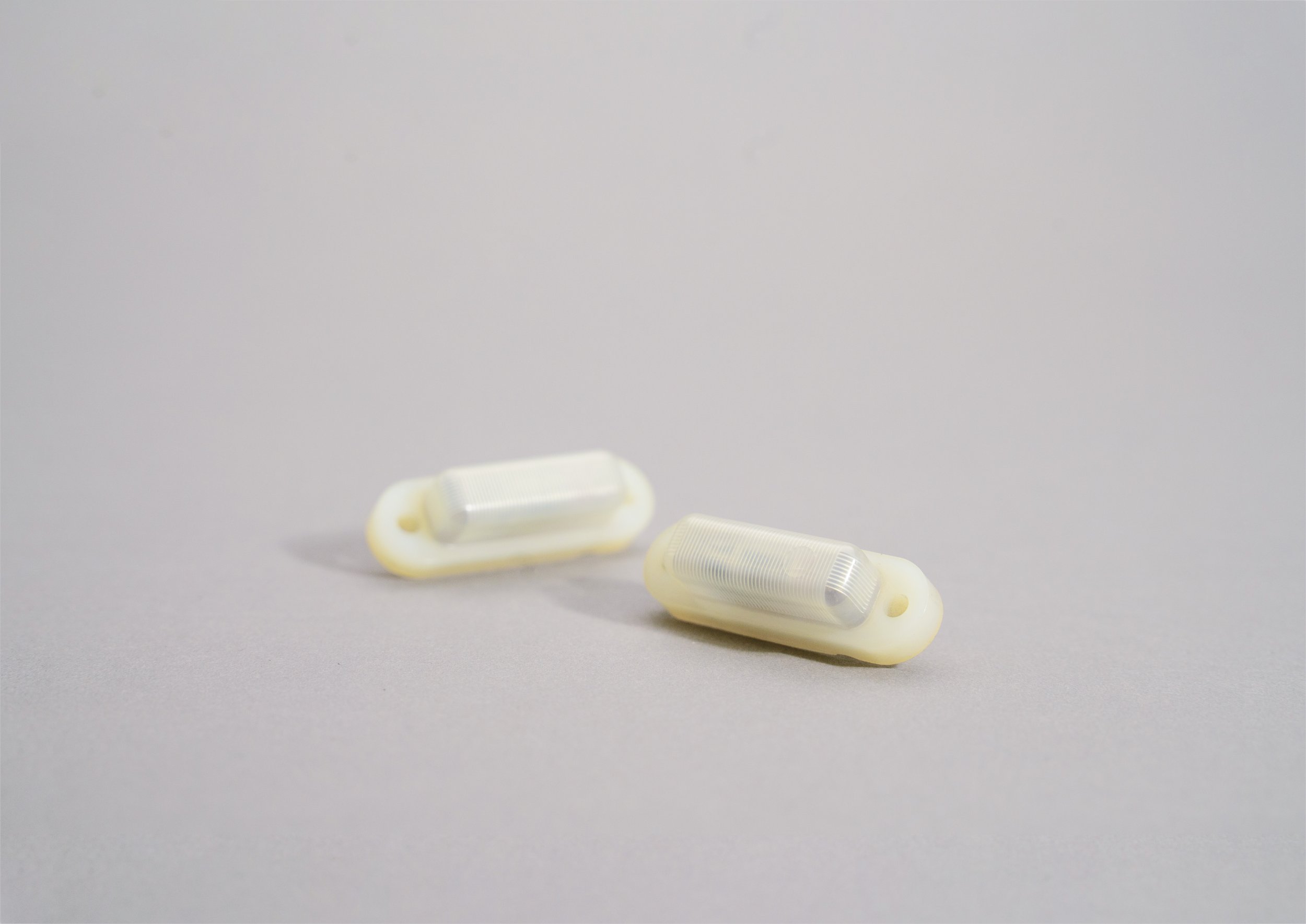
These are the exact drop in replacement for your Wurlitzer 120 neon glow lamp. This part is very scarce and we have a limited supply. We ship these with the 220k resistor that connects to one of the lugs of this bulb to help guarantee a smooth installation.
These neon glow lamps are drop-in replacements. Each one is pretested before shipping.
Sold individually.

This re-felt kit will work with any model of Wurlitzer electronic keyboard. Over the years key bushing felt can compress and no longer do its job or simply fall out. This will cause loose or wobbly side-to-side key movement. This kit is designed to make the key bushing re-felting process a breeze.
Choose the “precut” option to receive the felt already cut into pieces, and ready to glue into your key bushings. Choose “continuous roll” if you prefer to cut the felt yourself.
Glue can also be included, optionally. We recommend a PVC based glue which has a medium dry time.
Includes enough felt to re-felt both balance rail and front rail bushings (about 100” of fine English bushing felt) and three spring clamps.
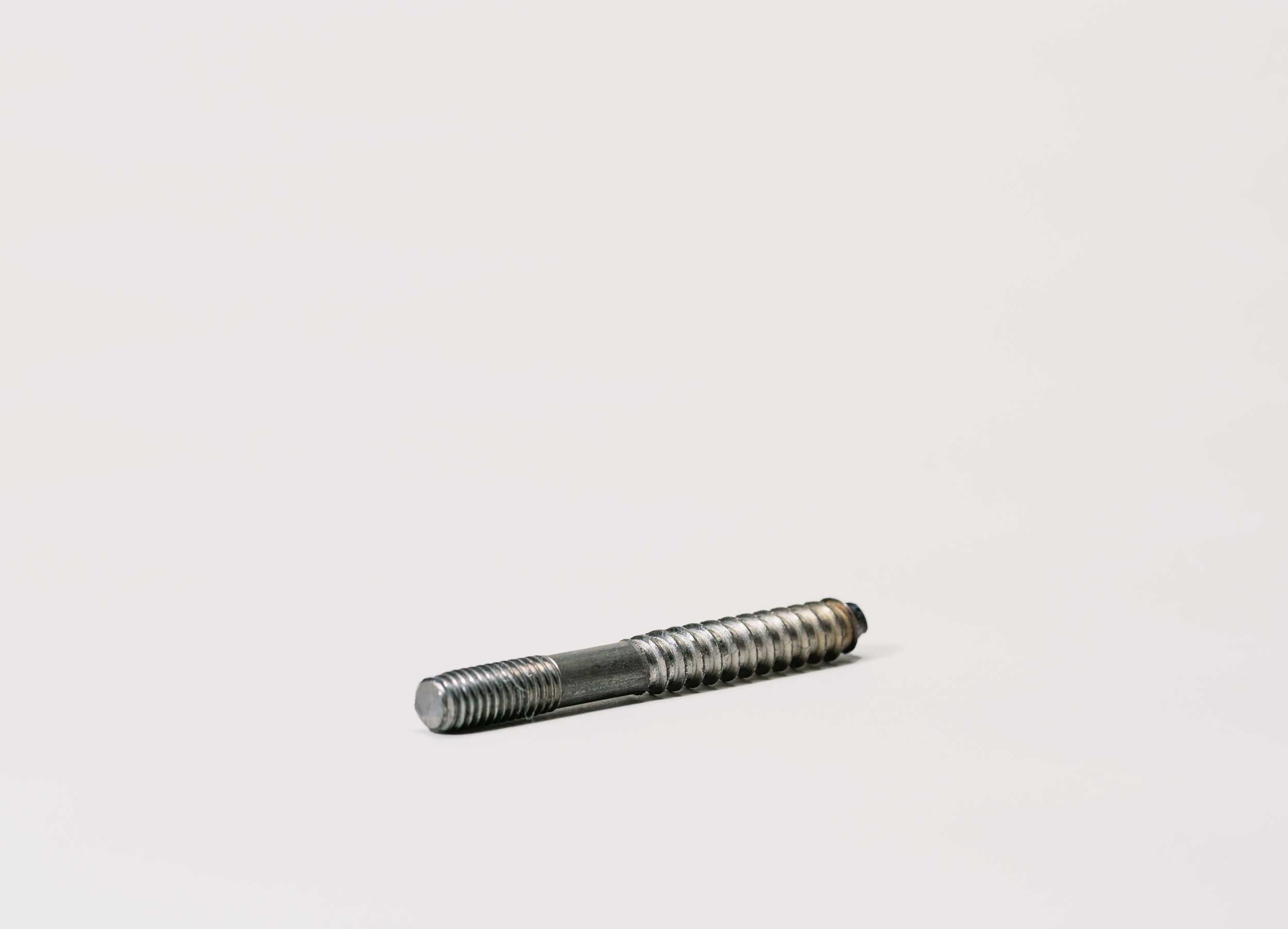
This replaces cross-threaded, heavily bent and or warped bolts in 100- and 700-series Wurlitzer electronic pianos.
Sold individually.